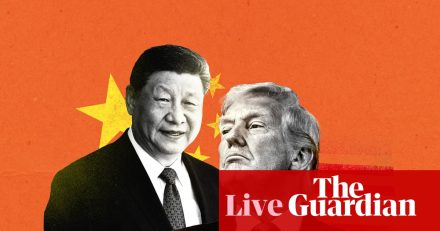
2025 was a chaotic year in politics, and its ripples will be felt into 2026. From explosive moments in Washington to unexpected scenes at home, a handful of events reshaped the political landscape.
At the international level, the Oval Office showdown between US President Donald Trump and Ukrainian President Volodymyr Zelensky was widely described as one of the year’s most shocking episodes. Trump’s return to the White House and his unapologetic pursuit of campaign promises altered alliances and sparked global uncertainty. His push for European allies to pay more for their defence, moves to broker ceasefires in the Middle East, and flirtations with trade confrontation all kept leaders guessing and changed the political calculus across Europe.
At home, several flashpoints defined the year. A Labour cabinet minister, Steve Reed, was met with chants and MAGA-style red hats at a Merseyside conference—an image that underlined how foreign-style political theatrics have crept into UK politics. Chancellor Rachel Reeves was filmed crying in the Commons during Prime Minister’s Questions, a moment that observers say affected investor sentiment. The Office for Budget Responsibility accidentally publishing budget figures before the chancellor spoke added another surreal twist to the fiscal year.
Three big shifts stand out.
1) The rise of Reform UK
Nigel Farage’s Reform surged in the polls for months and made major gains in May’s local elections, winning control over substantial local-government budgets for the first time. Reform’s success has forced the mainstream parties to respond—especially on immigration—and altered the conventional Labour-versus-Conservative dynamic. Labour now often treats Reform as its main rival. With increased support comes scrutiny, and how Reform handles accusations of racism and governance challenges will be crucial in 2026.
2) Sir Keir Starmer’s weakening authority
A pivotal domestic moment came when ministers abandoned plans to overhaul a benefits system they said left many without routes back into work. Faced with a restless backbench, the government pulled the reforms at the last minute because it couldn’t be confident of winning parliamentary votes. For a party with a large majority, that retreat signalled a loss of control and, according to insiders, began the erosion of Sir Keir Starmer’s authority. That episode set the scene for a late-autumn budget framed around asking households and firms to pay more tax rather than pursuing major welfare cuts—an approach some hailed as a departure from austerity and others warned would cost the government at the ballot box. The cumulative effect is a Labour leader who, despite electoral victory, ends the year with his position far from secure.
3) The behaviour of Trump 2.0
Trump’s presidency has been a defining external factor. His demands on NATO allies, diplomatic initiatives in the Middle East, and unpredictable rhetoric have shaped policymaking globally. European leaders now plan with the possibility that US priorities could shift quickly, and the terms of any peace settlement involving Ukraine are likely to be among 2026’s most consequential issues. How the US balances pressure for a peace deal against support for Ukraine’s sovereignty could have wide security and economic implications for Europe.
Looking ahead to 2026
Breath is being held ahead of “mega-May”—a major round of elections that could reshape local and devolved governance. Smaller parties made notable advances in 2025: Reform’s growth; the Greens under Zack Polanski gaining ground; and the Lib Dems hoping to build on local successes. Some predict Reform will consolidate its gains and do very well next May; others argue Reform could underperform, as happened when Plaid Cymru halted its advance in the Caerphilly by-election. Coalition and tactical voting on the left could blunt Reform’s momentum, but the party’s current prominence has already changed political debate.
Within Labour, many expect the May elections to trigger leadership manoeuvring if results disappoint. Some MPs are reportedly preparing for a challenge to Sir Keir, arguing his unpopularity risks the party’s standing. Downing Street is seeking to shore up support with outreach and charm offensives, but a poor performance in the elections could make a leadership contest feel “seemingly inevitable” to many. There is no clear consensus on a successor or on whether a challenger could succeed—but the very possibility casts a shadow over government plans.
The wider context will also matter: inflation and interest-rate trends could ease economic anxiety; government initiatives—expanding breakfast clubs, easing NHS waiting lists, improving childcare and asylum processing—aim to show tangible improvements to voters. Yet external shocks, particularly US policy shifts under Trump and the terms of any Ukraine settlement, may have the largest bearing on 2026’s politics.
In short, 2025 reordered political fault lines: Reform emerged as a potent force, Labour’s internal cohesion was tested, and an unpredictable US presidency complicated foreign policy and security choices. Next year could see Reform consolidate or falter, Labour reshuffle its leadership if results go badly, and international developments—especially over Ukraine—determine much of Europe’s outlook. It won’t be long before we find out.