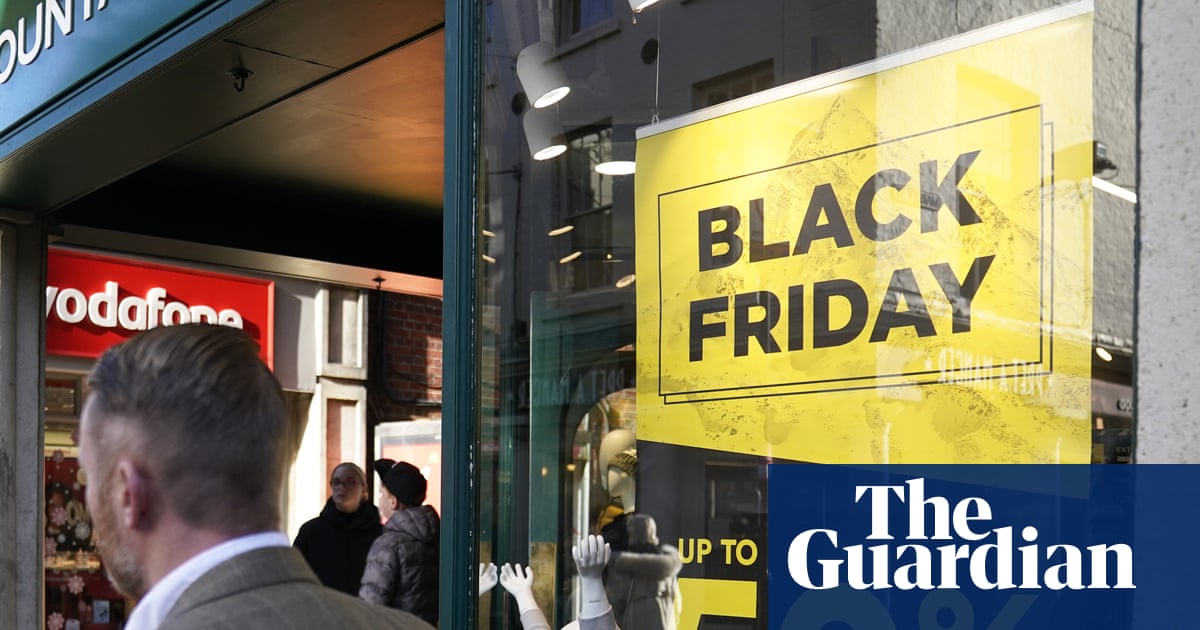

Retail sales growth in the UK cooled to its weakest pace since May as many shoppers delayed spending ahead of Black Friday and an anticipated autumn budget. Data from the British Retail Consortium and KPMG show overall sales rose 1.6% in October, down from 2.3% in September.
Food sales recorded the biggest slowdown, easing by 0.8 percentage points to 3.5% as consumer confidence dipped, inflation eased and households began saving for the festive period. Non-food sales were almost flat year on year at 0.1%, with notable declines in footwear, stationery and appliances. Retailers said milder weather and customers waiting for Black Friday deals on 28 November contributed to weak demand in some categories.
Barclays research indicated roughly one in three consumers postponed major purchases last month until after the budget, and two in five changed how they manage their money in response to uncertainty. For the first time since August 2022, all seven consumer and economic confidence measures tracked by the bank fell. Confidence in household finances dropped from 74% to 63%, while confidence in job security and the ability to spend on non-essentials fell to 44% and 51% respectively — their lowest points since 2023.
Spending on Barclays credit and debit cards fell 0.8% in October, similar to September’s 0.7% decline. The bank reported sharp reductions at supermarkets, department stores and discounters, and steeper falls in electronics, fuel and motoring.
Retailers, including Argos and Sainsbury’s chief executive Simon Roberts, warned that the timing of the chancellor’s tax and spending announcements — expected just days before Black Friday — could further unsettle already fragile consumer confidence at a critical sales period.
Helen Dickinson, chief executive of the BRC, said retailers are relying on Black Friday to provide an important uplift but that looming budget decisions risk undermining fragile confidence. She described October as subdued and noted that many consumers postponed purchases, while categories such as furniture and homeware performed better as people readied their homes for family gatherings. Dickinson added that recent food sales growth has largely been driven by higher prices rather than increased volumes.
Sarah Bradbury, chief executive of grocery body IGD, said shoppers are increasingly prioritising saving over quality this year. She warned that talk of possible tax rises will worry many households, even as food inflation eases, and that a stalling jobs market and a narrowing gap between pay and prices mean consumers feel little relief. Bradbury expects shoppers to remain cautious in the short term as they try to afford Christmas treats.