A small inflatable boat carrying around 230 people reached the UK in the early hours of Monday, marking the largest number recorded making the Channel crossing in a single vessel. The number surpasses the previous single-boat total of 165 recorded in July.
Photographs taken off the coast of northern France showed the overcrowded 15m (49ft) craft packed so tightly that many people had to dangle their legs in the water as the boat entered a busy shipping lane. French rescuers warned the vessel was “buckling” and said the situation could have become a tragedy.
Local authorities in Berck-sur-Mer said the boat had already been carrying about 50 people when it headed to a beach to take on more passengers. During a boarding attempt, around 30 migrants were left stranded by the tide; maritime and land-based rescue teams brought them to safety. Reports said the inflatable then continued toward the UK, and two passengers who later asked for help were taken to Calais by a French navy rescue ship.
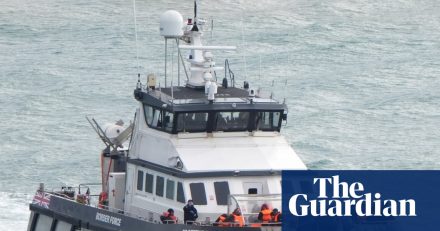
A Home Office spokesperson accused criminal smuggling gangs of using “reckless and dangerous tactics” by cramming increasing numbers of people onto unseaworthy vessels. The UK government said the incident underlines the risks posed by people smugglers and reiterated that Border Force meets boats that reach the halfway point of the Channel to bring people ashore and process them.
There are clear signs that smugglers have been loading more people into each craft. Average occupancy has risen sharply over recent years: in 2018 there were about seven people per small boat on average, rising to around 62 last year. Data cited by officials shows the average per boat arriving from 9 August 2025 to 8 August 2026 was about 67 people. Experts warn overcrowding increases the risk of accidents; the UN says at least 84 people died attempting Channel crossings in 2024.
While single-vessel records have been broken several times, overall crossings this year are down. The provisional total of people reported to have crossed by small boat so far in 2026 is 15,242, a fall of 43% compared with the same period last year, and the number of boats that have successfully made the crossing is down by 49%. Officials say efforts to disrupt the supply of small boats and engines—more than 1,100 seized since Labour took office—along with intensified surveillance and reconnaissance across the Channel, have made it harder for boats to land undetected.
Political reactions were immediate. The prime minister’s office described the images of children and babies on unseaworthy craft as “shocking” and said the government was increasing joint action with France, including a payment-by-results deal intended to put more personnel on French beaches. Reform UK leader Nigel Farage called the landing a “national security emergency.” Opposition and local leaders have also urged a combination of tougher enforcement and better safe routes for people fleeing danger.
The UK and France signed a three-year, £662m (773m euro) agreement earlier in the year to bolster joint operations. Measures include sending specially trained police to beaches, deploying drones and helicopters, and other steps to intercept smugglers. Ten people have been sentenced under a new law targeting those who pilot small boats since it came into force in January.
The English Channel remains one of the world’s busiest and most hazardous shipping lanes, and authorities say the mix of continued demand in French camps, persistent smuggling activity and the use of ever-larger and more crowded craft means the risk to life remains high despite a fall in overall crossings.