
The UK government has proposed new powers enabling English local authorities to suspend mayors and councillors for up to six months for serious misconduct or repeated breaches of rules, and to withhold their allowances. The measures, to be introduced through parliamentary legislation, are intended to restore public confidence in local government by tackling bullying, assault and persistent rule‑breaking.
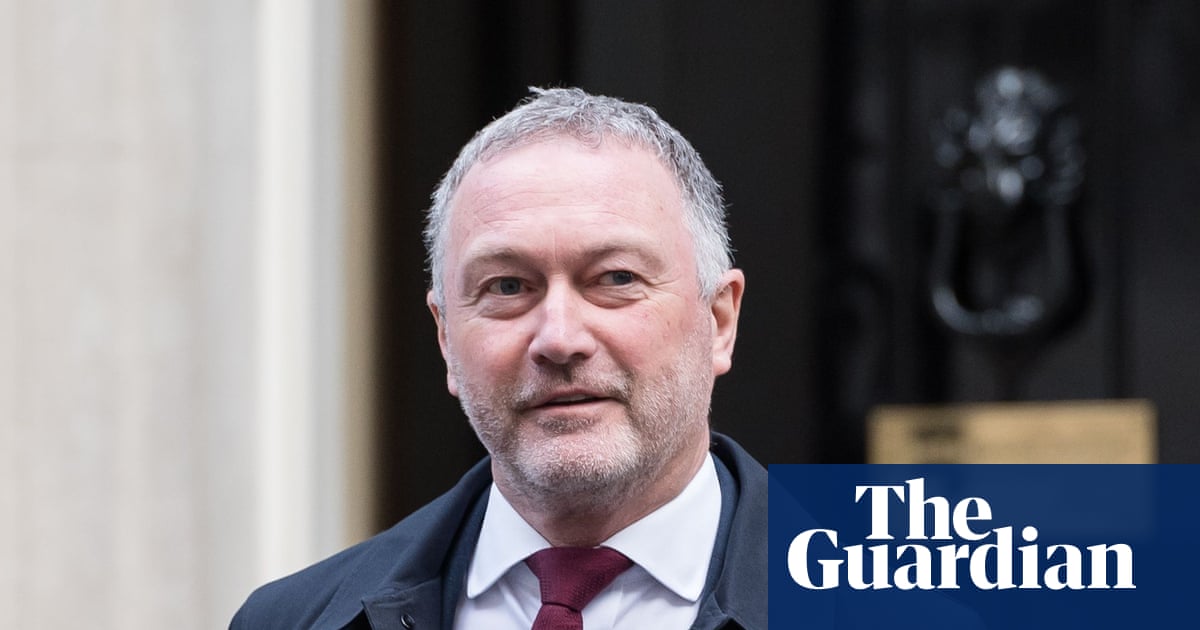
Local government secretary Steve Reed said he was determined to ‘root out those who bring the system into disrepute’, arguing that a small minority behaving badly is unfair to hard‑working councillors and taxpayers. Ministers highlighted recent high‑profile cases in which councillors convicted of serious offences remained in post until they received prison sentences.
In January, Torridge district councillor Len Ford was jailed for 18 weeks after a sustained tirade of abuse directed at the council’s head of legal, Staci Dorey, including calling her ‘corrupt, dishonest, Hitler and a disgrace to the human race’. Dorey had cameras installed at her home amid fears for her safety and said she had considered leaving her job. In March, Tewkesbury borough councillor Paul Ockelton was convicted of sexually assaulting a girl under 13; the council’s Liberal Democrat leader, Richard Stanley, said he took all legally available steps when the allegations emerged, but Ockelton initially refused to resign and only stepped down after his conviction.
Reed also said he was ‘appalled’ by instances of Tower Hamlets councillors launching campaigns to stand in elections in Bangladesh, noting that the reforms could affect councillors seeking election abroad.
A mandatory code of conduct for representatives across all types of local authorities in England would be introduced under the proposals. The government cited responses to a consultation in which 94% supported a code of conduct and 86% backed powers to suspend councillors for serious breaches.
Angela Rayner, who served as local government secretary until September, first set out similar plans in a speech last October, warning that persistent bullying and harassment by councillors had in some cases forced victims to resign and that the current system does not adequately protect victims or empower councils to address unacceptable behaviour.
Local government minister Alison McGovern said the changes ‘will raise the bar and ensure swift, fair action where it’s needed most’ and could help attract high‑quality candidates into local government so residents receive better representation.
Ministers have announced other local government changes recently. This summer they gave councils greater flexibility over when to hold remote and hybrid meetings. Last month Reed criticised councils exploring four‑day working weeks, arguing such trials risk damaging public services and value for money; he wrote to South Cambridgeshire district council, the only authority so far to have formally trialled a four‑day week for staff, saying offering 100% pay for 80% of the workload was not in line with government policy.