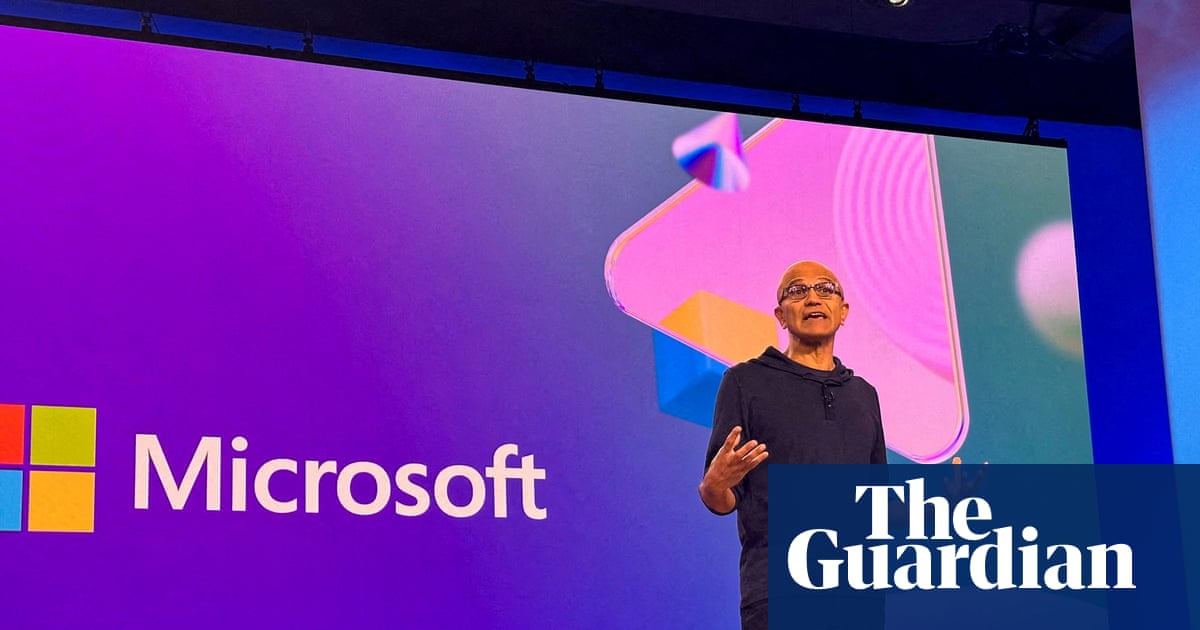

Microsoft reported higher-than-expected first-quarter results even as an Azure-related outage knocked some services, including Xbox and investor pages, offline. The company said the disruption was caused by an issue with Azure Front Door that affected the availability of certain services, and engineers worked to restore access.
Financially, Microsoft beat consensus estimates. GAAP earnings were $3.72 per share versus analysts’ $3.68 forecast, and revenue came in at $77.7 billion compared with expectations of about $75.5 billion. Both figures rose substantially from the same quarter a year earlier, when earnings were $3.30 per share and revenue was $65.6 billion. Net income was reported at $27.7 billion and operating income climbed 24 percent to $38 billion.
Azure, the cloud division investors watch closely, grew roughly 40 percent year over year, outpacing forecasts and underpinning much of the beat. Microsoft also disclosed heavy investment in artificial intelligence: it spent $34.9 billion on new AI-related projects in the quarter, a 74 percent increase from the prior year.
CEO Satya Nadella framed the results around the companys cloud and AI momentum and said the firm is continuing to invest in both capital and talent to seize the opportunity. CFO Amy Hood emphasized that the company is expanding capacity to meet demand already on the books, noting infrastructure growth of about 80 percent this year and plans to double some data center capacity over the next two years. Hood added that Microsoft still expects to be short of processing capacity for some time and is building with confidence based on existing bookings.
The earnings come after a reworked agreement with OpenAI that further aligns the two organizations. Under the new terms, Microsoft will hold a 27 percent stake in the OpenAI Group PBC, a position valued at roughly $135 billion in recent reporting, while OpenAI’s non-profit arm will retain a substantial stake in the for-profit entity.
Microsofts update arrives in a broader market context of surging valuations tied to AI. Chipmaker Nvidia became the first company valued at $5 trillion recently, and major US indices hit record highs as investors poured money into AI-related opportunities. The so-called Magnificent Seven tech firms, including Microsoft, Meta and Alphabet, began a week of earnings that investors view as an exam of whether heavy AI capital spending is translating into revenue and profits.
Analysts and investors remain attentive to the risk of overinvestment and the potential for an AI bubble, but many company executives argue current spending is driven by already-booked demand rather than speculative expansion. Still, the sector has seen enormous capital commitments: AI and cloud-related firms are collectively valued in the tens of trillions, and technology companies are projected to devote hundreds of billions of dollars to datacenter and infrastructure CapEx in the coming year.
Cost savings from AI are already influencing workforce decisions. Microsoft announced it would cut about 9,000 jobs earlier in the year, and reports suggest Amazon may reduce as many as 30,000 corporate positions as companies reassess hiring from the pandemic era. As AI tools automate routine tasks, some corporate functions, especially parts of HR and administrative roles, are likely to be among the first affected.
In summary, Microsoft delivered stronger-than-expected results driven by cloud and AI demand, despite a high-profile Azure outage and heavy near-term investments in infrastructure and AI projects. The report underscores the broader market dynamics: massive AI spending, rising valuations, and an industry-wide push to scale compute capacity even as investors seek clarity on returns.