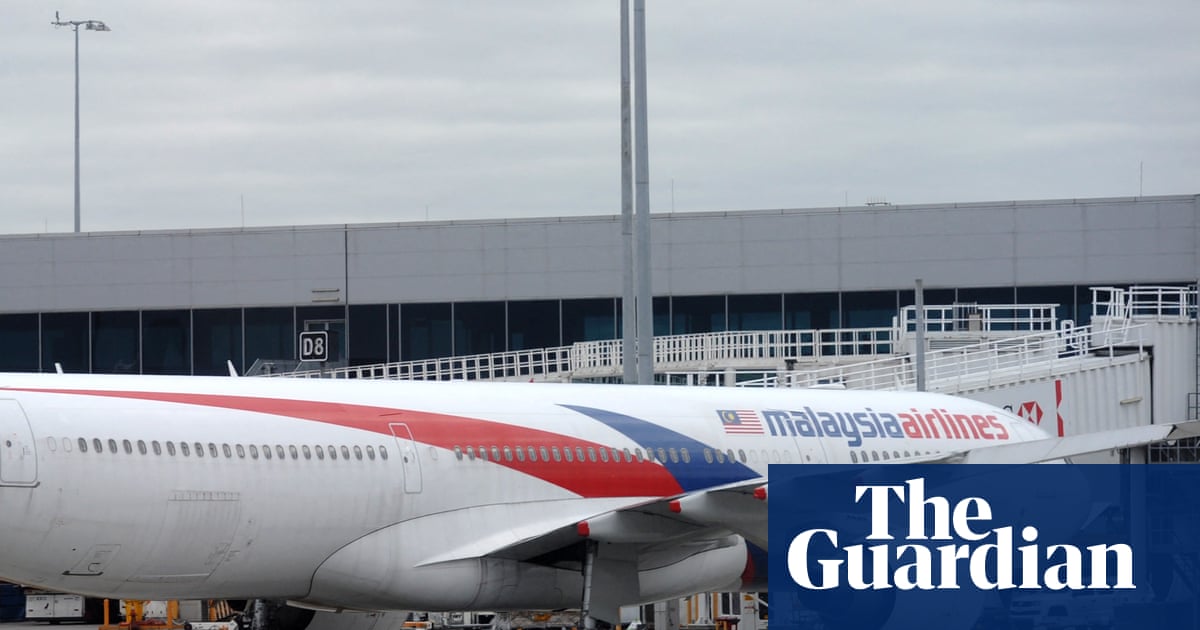

Two passenger jets came perilously close to construction vehicles and workers during takeoff at Melbourne Airport in September 2023 after crews were not aware the runway had been temporarily shortened, an investigation by the Australian Transport Safety Bureau has found. The ATSB’s final report examines two separate incidents that happened 11 days apart while a night-time resurfacing project reduced the runway from 3,657 metres to 2,089 metres.
On 7 September, a Malaysia Airlines Airbus A330-300 with 247 people on board overran the available runway during takeoff for Kuala Lumpur, clearing ground works by fewer than seven metres. Eleven days later, a Bamboo Airways Boeing 787-9 bound for Hanoi lifted off beyond the temporary runway end, passing just 4.5 metres from workers. There were no physical injuries and both aircraft continued their scheduled flights.
Investigators found the flight crews had not incorporated critical information about the shortened runway into their takeoff performance calculations. Notices had been published in written reports and broadcast on the airport’s Automatic Terminal Information Service (ATIS), an audio briefing loop used in flight planning. Dispatchers did include the reduced runway length when assessing whether departures could proceed, but because the change primarily affected required engine thrust rather than aircraft weight or the decision to dispatch, they did not explicitly highlight the runway length to crews.
The ATSB also identified high crew workload and expectations as contributing factors. The Malaysia Airlines crew reported being focused on taxiway closures before departure, while the Bamboo Airways crew said repeated power outages increased their workload and created pressure to maintain the departure schedule.
ATSB chief commissioner Angus Mitchell warned these were serious incidents, noting that fully loaded, fuelled aircraft with over 200 people on board came within metres of fixed equipment and workers on the ground, and that the outcome could have been catastrophic. He described the existing safeguards as largely procedural and therefore vulnerable to human error.
In response, both airlines revised their dispatcher procedures. The International Civil Aviation Organization has adopted standards calling for highly visible signage at aerodromes to highlight temporary runway changes. Air Services Australia, with input from the Civil Aviation Safety Authority, is proposing updates to air traffic control procedures to ensure essential runway-work information reaches flight crews. The ATSB has formally recommended that ICAO review its air traffic control communications standards and recommended practices to better assure crews receive critical aerodrome-condition information.
Guardian Australia has contacted Malaysia Airlines and Bamboo Airways for comment.