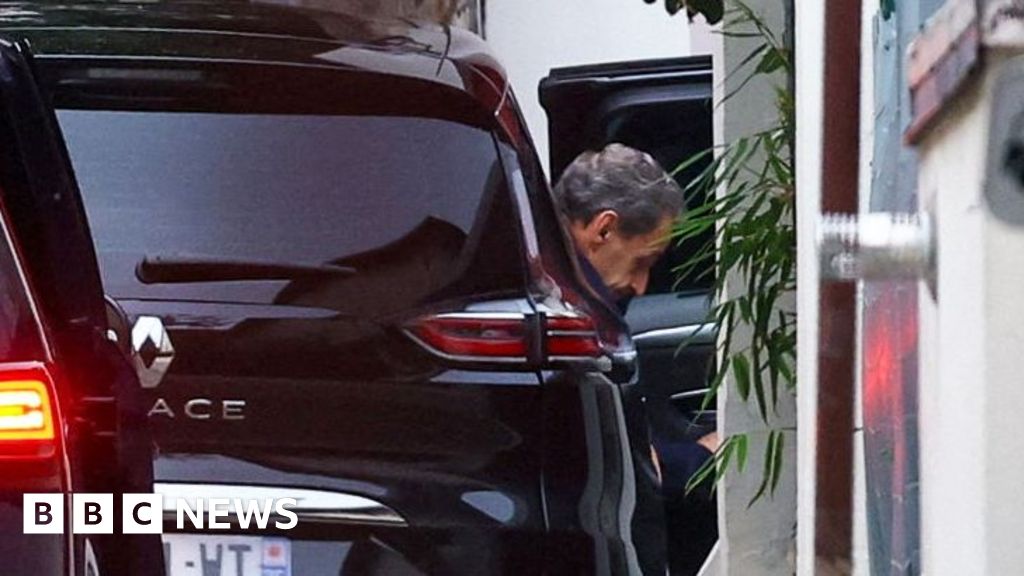

Former French president Nicolas Sarkozy has been released from La Santé prison after serving three weeks of a five-year sentence for participating in a criminal conspiracy. He remains under strict judicial supervision, is prohibited from leaving France and faces an appeal trial expected in March next year.
Sarkozy, 70, was sentenced on 21 October after convictions tied to allegations that his 2007 presidential campaign was financed with money from the late Libyan leader Muammar Gaddafi. His lawyers immediately sought his release from custody.
After a court approved his early release, his car left La Santé shortly before 15:00 (14:00 GMT) and he was later seen at his home in western Paris. On social media he said his “energy is focused solely on the single goal of proving my innocence” and added: “the truth will prevail… The end of the story is yet to be written.” Lawyer Christophe Ingrain described the release as “a step forward” and said the defence is preparing for the expected March appeal trial.
As a condition of release, Sarkozy is barred from contacting witnesses in the so-called “Libyan dossier” and from communicating with justice ministry employees. During his time in custody, Justice Minister Gérald Darmanin visited him; 30 French lawyers have filed a complaint alleging a conflict of interest because Darmanin is a former colleague and friend of the ex-president.
Speaking to a Paris court via video link while in prison, Sarkozy described solitary confinement as “gruelling” and “a nightmare,” denied ever asking Gaddafi for money and said he would “never admit to something I haven’t done.” He praised prison staff for making his time “bearable” and showing “exceptional humanity.” His wife, singer and model Carla Bruni-Sarkozy, and two of his sons attended the courtroom.
Sarkozy is the first former French head of state jailed since World War Two’s Philippe Pétain. While detained he was held in the isolation wing in a cell equipped with a toilet, shower, desk, a small electric hob, a small television (for which he paid a monthly fee) and a small refrigerator. He was permitted information, family visits and written and phone contact, but was effectively isolated, allowed one hour a day of exercise alone in a segregated courtyard.
Two of his bodyguards were housed in nearby cells; Interior Minister Laurent Nuñez said this arrangement reflected an “obvious threat” to Sarkozy. A former president from 2007 to 2012, Sarkozy has faced multiple criminal investigations since leaving office and had been wearing an electronic tag following a separate December conviction for attempting to bribe a magistrate to obtain confidential information.