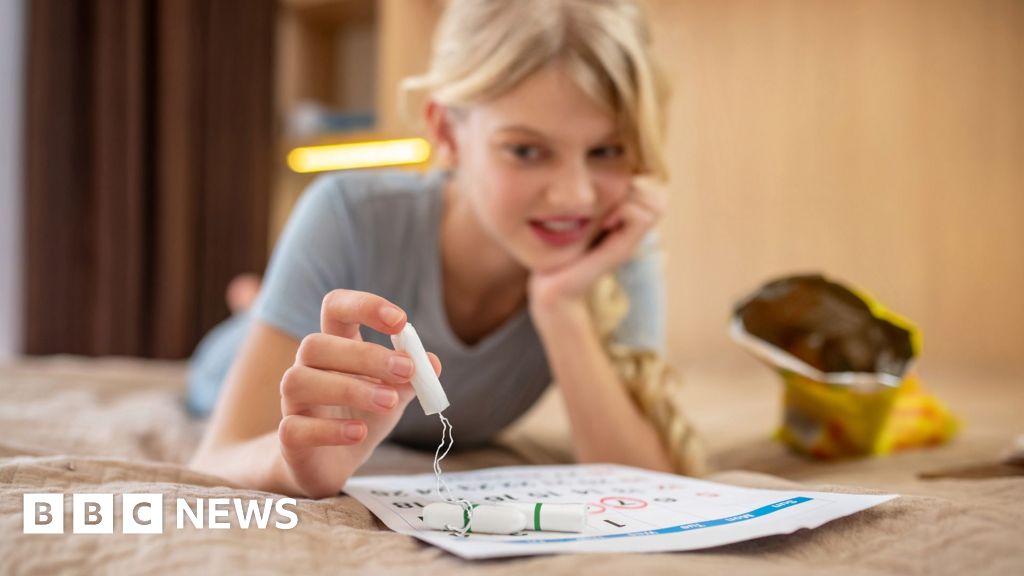

When 16-year-old Helen got her first period, it was her father who was at home and who helped her. He had already been open about what to expect, which made that first experience much less frightening. Helen says fathers cannot describe exactly how it feels, but they can offer practical guidance, reassurance and information — and that matters.
Many families still default to mothers for period conversations, but a growing number of fathers are changing that. John Adams, who spent years as a stay-at-home parent, made a point of preparing both his daughters for menstruation. He talked about possible pain levels, sanitary product choices and what to expect month to month. John admits he was not an expert, so he consulted his partner and his own mother, used books and online resources, and approached the conversations practically rather than emotionally.
For John, periods are a health issue, not something to be embarrassed about. He believes being approachable is what counts — fathers don’t need lived experience to be helpful, they need to be willing to listen and to provide clear, calm information.
Some fathers, however, have little choice but to step in. Widower Roy began preparing his daughter from age nine, using books to explain what would happen and later demonstrating how to use a pad. He says explaining things removes fear: knowing how to cope with periods is part of preparing a child for life, alongside talking about relationships and sex.
Not everyone has supportive structures. Hannah Routledge of the charity Hey Girls remembers getting her period at age ten in a school that offered no supplies and no disposal bins. Hey Girls launched the Pads for Dads campaign in 2019 to provide simple resources and prompts for fathers and other caregivers. The idea is to normalize ongoing, small conversations, to keep products available at home and to encourage fathers to include sons in the education so everyone understands menstrual health.
Medical professionals also support fathers’ involvement. GP Nighat Arif says she started explaining periods to her young son when he found a tampon, framing it as a normal monthly bodily process. Consultant gynaecologist Christine Ekechi points out a double standard: society accepts single mothers talking to sons about puberty, so fathers talking to daughters should be equally unremarkable. When men are informed, she says, they become better colleagues and leaders and can help reduce stigma in workplaces as well as at home.
The common thread is simple: openness and practical help remove fear. Fathers who educate themselves and have honest, age-appropriate conversations — and who make sanitary products available — can make the transition to menstruation far less isolating for their children. As more men take that role, the cultural weight of secrecy around periods begins to shift, improving family bonds and workplace attitudes alike.