
Short, shareable clips have become the government’s latest attempt to explain itself: Sir Keir Starmer handed a disposable camera before a trip to India; Ed Miliband appeared in front of a fake pub backdrop eating crisps while talking about green energy; Darren Jones sipped from a government-branded mug as he set out plans for digital ID. These are small experiments in a larger push ministers and advisers keep calling “storytelling.”
Inside government and across the Labour parliamentary party there is a recurring complaint: ministers and advisers say the administration struggles to explain what it is doing, who it is for, and who the prime minister is. Some of the frustration is about presentation — the channels and formats used to reach voters. But a deeper worry is that the party still lacks a tightly defined, distinctive message to hang policy on.
Two senior figures have been tasked explicitly with improving that narrative. Darren Jones, the first person to hold the title chief secretary to the prime minister, has launched a short video series called “Darren explains,” covering items from ID cards to new towns policy while trying to help sharpen the government’s language. Deputy prime minister David Lammy is also coaching the leader, encouraging a more proactive posture: identify opponents, pick fights with the right and the left, and use political confrontation to clarify what Labour stands for.
Yet ministers and MPs cannot agree on what the story should be. Some articulate three priorities — improving living standards, combating illegal immigration, and sorting the NHS. Others argue growth must be the core economic focus, or that planning and housebuilding targets deserve centre stage. Sir Keir has tried to set out a long-term agenda before — from his five missions in early 2023 to a raft of milestones the government published in late 2024 — but many loyalists fear those commitments still do not cohere into a vivid picture of Britain a decade from now.
“We say we have a plan for change and national renewal but we don’t spell out what that means for schools, for hospitals, for people,” one senior government source said. “We just sound like we’re supervising things carrying on as they are.” Another official was more upbeat: the agenda exists, they just need to hang it together into a more coherent story.
Backbench MPs, particularly many who joined Parliament in last year’s intake, are impatient. They complain the government is not sufficiently visible in parliamentary debate or public campaigning. Ministers counter that the parliamentary calendar explains some of that perception: the early battles over flagship bills have passed and many measures are now in later, technical stages. The government points to its legislative record — having passed more laws in its first 16 months than the 2010 coalition did in the same period and a similar number to David Cameron’s 2015 majority administration — though it still trails the early productivity of the Blair and Thatcher governments.
The next King’s Speech will be a formal test of priorities, with ministers making bids for which laws to include. But many in government are urging action that does not depend on new legislation: quicker public-facing initiatives, clearer policy wins and a sharper political pitch. “There’s so much we can do that doesn’t rely on legislation,” one cabinet minister said. “We just need to get on with it.”
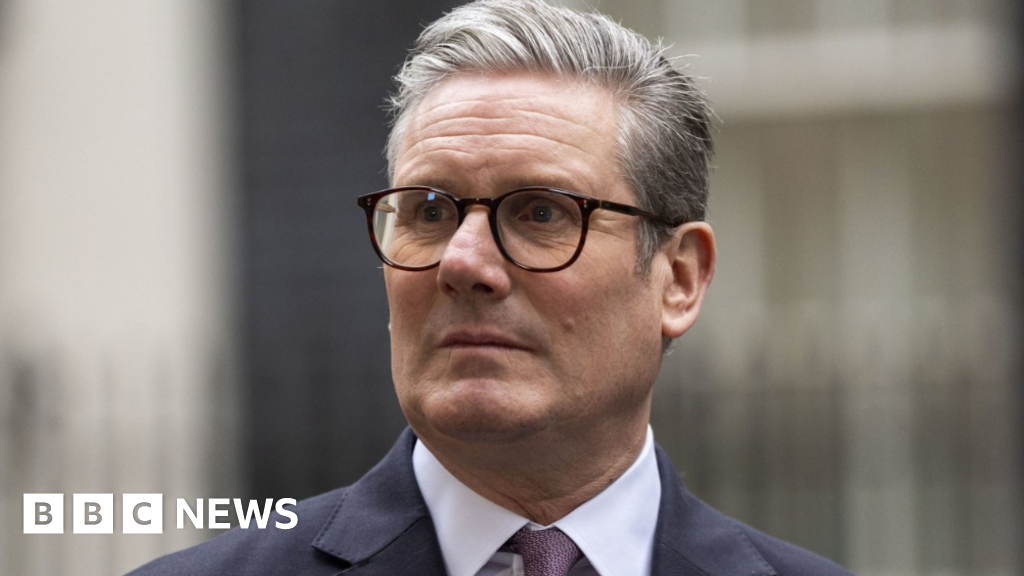
Complicating all this is the unsettled public view of the prime minister himself. Polling referenced within government suggest Sir Keir is not well liked, and some MPs worry his style makes it hard to galvanise support — one candidly remarked that if he shouted “fire” in a room people might stay seated. Even so, allies point to an upside: for many voters Starmer is still undefined, and there is time to change impressions if the party can present a clearer, bolder, emotionally resonant narrative.
For now the conversation inside Labour is as much about composition as communication: deciding which priorities to foreground, how aggressively to confront opponents or allies when necessary, and what version of change to sell to voters. The short videos and retooled briefings are a start, but ministers and MPs say the real test will be whether they can turn a list of policies into a compelling, lived-in vision of what Britain will feel like under their government.