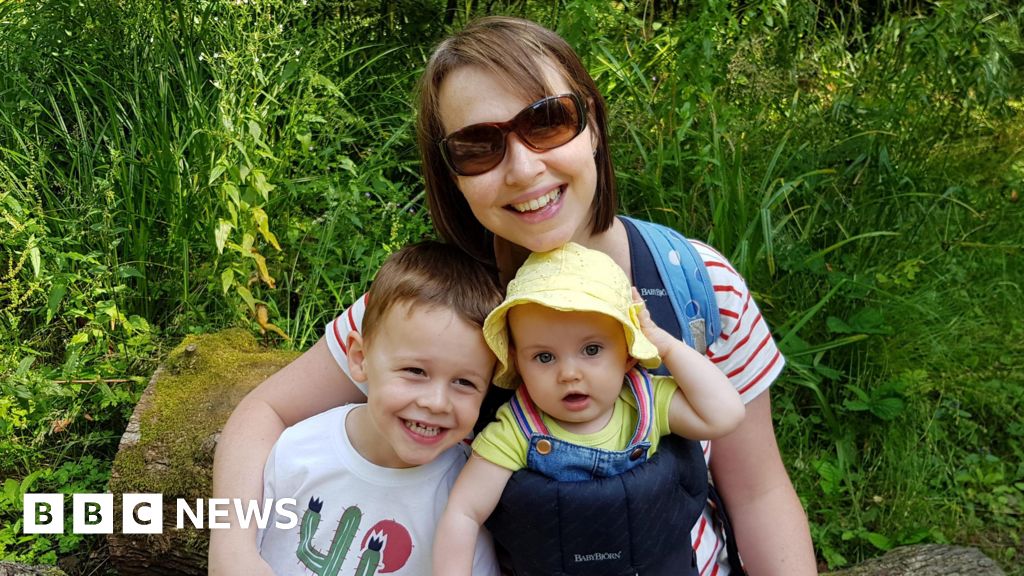

The morning Darren Wheatley had to tell his seven-year-old son that his mother was dead is a moment he says will stay with him forever. Nicola Wheatley, 40, was one of four people who died after a group of paddleboarders descended a weir on the River Cleddau at Haverfordwest, Pembrokeshire, on 30 October 2021.
The paddleboarding trip had been organised by Salty Dog Co Ltd, run by former police officer and company owner Nerys Lloyd. Lloyd later pleaded guilty to gross negligence manslaughter and was sentenced to ten-and-a-half years in prison. Families say their anger has never abated – not only over the mistakes that led to the deaths, but also because Lloyd has never apologised to the victims’ relatives and behaved in ways after the tragedy that compounded their pain.
Darren and Nicola’s two children, Oscar and Ffion, were seven and two at the time. Darren recounts a frantic morning waiting for news at Withybush Hospital before being asked to identify Nicola’s body, with Oscar nearby. “I won’t forget the look on his face,” he said in his first interview since the incident.
More than 80 miles away, Teresa Hall learned that her only daughter, Morgan Rogers, 24, was believed to have died in the same incident. She was able to identify Morgan the following day. Morgan, who worked as a deputy manager for a supermarket and had been preparing to join the fire service, has been described by her mother as the “light of everybody’s life.” Morgan’s small dog, Peaches, is now cared for by Teresa.
Also killed were Paul O’Dwyer, 42, an army veteran and father of three, and Andrea Powell, 41, a dental hygienist and mother. Andrea was pulled from the water and resuscitated but died six days later from injuries sustained in the incident.
The Marine Accident Investigation Branch (MAIB) published a detailed report in December 2022 that characterised the deaths as “tragic and avoidable” and catalogued multiple errors and safety failings. The report found that while the tour leaders were qualified to teach paddleboarding in calm conditions, they were not qualified to lead tours on a fast-flowing river. They had not checked the weir before launching, had not respected a flood alert in force that day, and had not briefed participants about the presence of the weir or how to navigate it safely.
The group of nine arrived in Haverfordwest shortly before 08:00 and were on the water by around 08:49. At about 08:56 the group reached the fish pass in the centre of the weir. Lloyd went first, followed by others; several were swept clear by the current, but three – Andrea, Nicola and Morgan – were pulled into a hydraulic jump at the base of the weir, a powerful recirculating flow that can trap people and equipment.
A passerby dialled 999 at 09:02 and attempted to throw a lifebuoy to those in the water. A multi-agency rescue response – coastguard teams, helicopter, police, fire, ambulance, air ambulance and RNLI – arrived within minutes, but the outcome was catastrophic. Andrea was recovered and later died; Nicola and Morgan were recovered and pronounced dead at the scene; Paul’s body was found further downstream by helicopter.
The MAIB listed a string of contributing failures: no written risk assessment, lack of competency checks for participants who were new to the company, no medical declarations or emergency contact details collected beforehand, inconsistent use of buoyancy aids and leashes, and failure to follow recognised guidance that paddleboarders on fast rivers should wear a quick-release waist leash and a personal flotation device. At sentencing, the judge criticised Lloyd’s “abysmal” approach to health and safety; ankle leashes, which were used, made it harder for trapped paddlers to free themselves.
Families say those findings only added to their sense of bewilderment and loss. Darren has asked why participants were not warned about the weir and why safety checks were not carried out. Teresa has repeatedly asked whether Lloyd is actually sorry. Both recall agonising over seemingly small last conversations and gestures: Teresa replaying the final exchange with her daughter and Darren holding onto Nicola’s final words to their son, “take care, my baby boy.”
The months following the tragedy were further marked by distress caused by Lloyd’s public behaviour and social media activity, which families said showed a lack of remorse. The emotional toll on those left behind has been immense: Darren moved his family in with his parents while they coped with the immediate aftermath, and he later took early retirement so he could focus on raising the children alone. Teresa talks about living with ‘‘torture’’ after losing her child.
Four years on, both families continue to live with the consequences. Darren has installed a bench dedicated to Nicola as a small symbol of remembrance. Teresa continues to care for Peaches, Morgan’s dog, saying she will always look after her as a way of keeping a link to her daughter.
The MAIB report was intended to prevent future incidents by spelling out the practical failures and recommending clearer standards and training for leaders taking novices on moving water. For the families, however, the reforms come too late for the four people who died and for the children, partners and parents left to rebuild their lives.
Those left behind say their need for answers and acknowledgment remains. They want clearer safety rules, better oversight of commercial paddleboarding operations, and an admission of responsibility that, for many, would go some way toward easing the anger and lingering pain caused by a day that changed their lives forever.