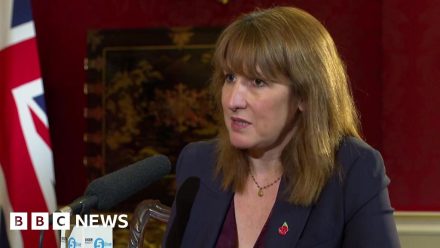
In his first speech as prime minister, Andy Burnham said he wants to give people more “breathing space” to cope with the cost of living. He has promised a set of policies to be announced soon, and said he will look at moving the income tax personal allowance so people can earn more before they start paying tax. He also warned changes will be difficult in the current economic climate and that his chancellor will have to set out how any measures are paid for.
Why this matters
The cost of living—energy, food, housing, transport and rising mortgage costs—has been the dominant financial pressure for many households. Any plan to ease it involves trade-offs: cutting costs for some will usually mean finding money elsewhere, raising revenue or borrowing.
Taxes
Burnham has said he will not break the core Labour manifesto pledge not to raise the main three taxes: income tax, National Insurance and VAT. Still, he has signalled interest in shifting the personal allowance to let people keep more earnings before tax applies. That would reduce government revenue unless offset by other measures.
Other tax changes are possible and have been floated before: replacing stamp duty and council tax with a different property tax, or aligning capital gains tax rates more closely with income tax. Such reforms take time, create winners and losers, and often provoke opposition. The government also plans to stick to self-imposed fiscal rules, limiting how freely it can increase spending.
Energy and essentials
Labour’s manifesto included a pledge to cut household energy bills by £300 by 2030 and Burnham has talked about “bringing essentials under public control” to make them cheaper. However, wholesale energy costs—driven by global gas markets—largely determine bills, so government influence is limited.
One realistic option is a social tariff: a discounted energy price for the most vulnerable, funded by higher bills or taxes on better-off households. A more immediate worry is accumulated energy debt, which recently hit record levels. Even with lower average bills than the peak, many households still owe suppliers and are struggling to pay for basics.
Transport
Burnham’s record as Manchester mayor—especially on buses—helps shape expectations. A £3 bus fare cap outside London is currently in place in England until next March, though it is voluntary and not all operators participate. Rail fares have been frozen for many season tickets and certain tickets until March 2027. Any wider transport fare changes will depend on devolution and how central government supports local services.
Housing and first-time buyers
Burnham has stressed building more council homes to ease housing pressures. Greater supply is part of the solution, but new building does not automatically make rents or house prices cheaper. Some lenders are offering mortgages with smaller deposits and there are calls to relax some lending rules, but mortgage costs will still be influenced by market reactions to government policy.
Welfare, care and pensions
Major decisions lie ahead on sickness and disability benefits, getting young people into work, and reforming social care—ambitious, complex and potentially expensive tasks. Burnham said he wants to reform social care before leaving office. The government also remains committed to the state pension triple lock, which protects annual increases.
What it means for you
Some people may benefit from higher tax-free allowances, cheaper transport or targeted energy support. Others could face higher taxes elsewhere or slower public services if funding is reprioritised. Much depends on the chancellor’s choices and external events—global shocks, energy price moves or economic shocks can rapidly change what is politically or financially possible.
Bottom line
Burnham’s promises aim to ease everyday pressures, but implementing them will involve difficult fiscal choices. Expect targeted measures (for vulnerable households or specific sectors) rather than universal cuts, and watch for details from the chancellor on how any help will be funded and delivered.