
This Q&A originally appeared as part of The Guardian’s TechScape newsletter.
Data centres powering the AI boom are massive in money, space and the data they hold, and blocking them can feel like halting an avalanche. Still, resistance is rising in the United States, the UK and across Latin America, where many facilities are planned in some of the planet’s driest regions. Local campaigns frequently focus on environmental harms and resource use.
Paz Peña, a researcher and fellow at the Mozilla Foundation who studies technology’s social and environmental effects in Latin America, spoke at the Mozilla festival in Barcelona about how communities are suing governments and corporations to force disclosure of information they’ve been denied.
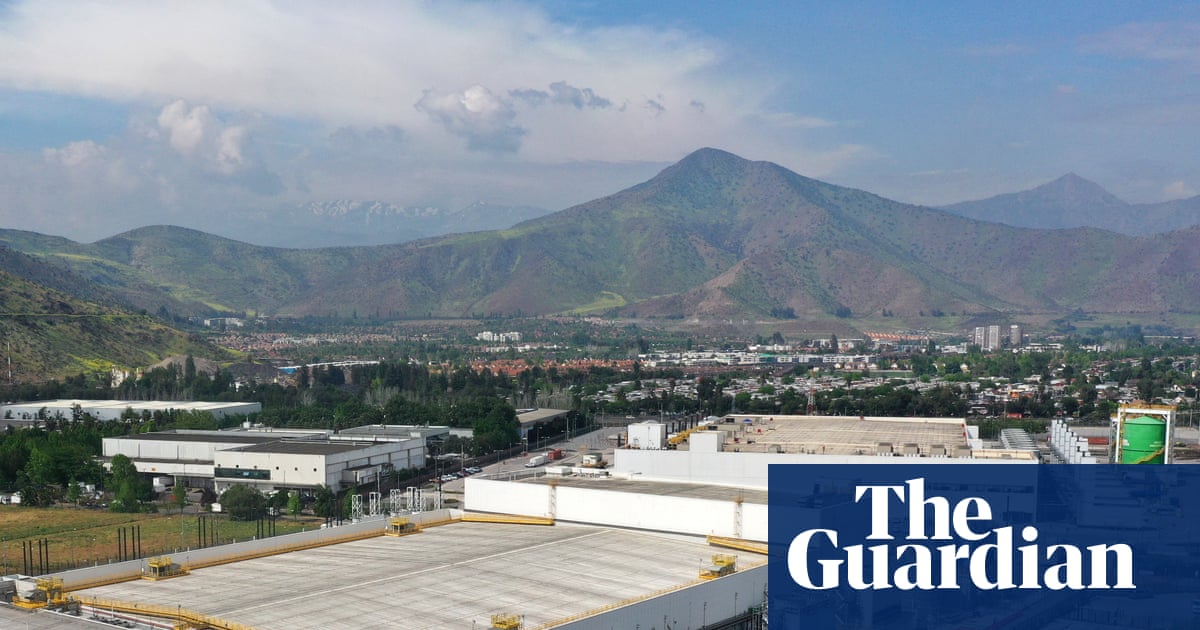
Peña’s research examines how Latin American governments frame data-centre investment and the lobbying behind it. Chile and Brazil lead the region in data-centre activity; Chile, she says, has seen particularly intense resistance. Governments of varied political stripes are eager to attract foreign investment and often present national plans and incentives — including tax breaks — to do so. In Brazil, those incentives have sparked controversy. In Chile, authorities are seeking to relax environmental assessment rules for data centres so they more often avoid full impact reviews.
One systemic issue Peña highlights is that most countries lack a distinct environmental-impact category for data centres. Assessments have often focused narrowly on diesel consumption because many sites rely on diesel generators; the volumes involved can be enormous. Administrative threshold changes in Chile’s environmental system mean many projects sidestep comprehensive impact studies, closing a key avenue for communities to learn about likely effects. Governments are creating openings for investment without firm rules on diesel, energy, water or other environmental concerns.
When officials and companies refuse to release information, they commonly cite commercial confidentiality. That opacity pushes communities toward litigation. Latin American countries are party to the Escazú Agreement, a regional treaty that promotes environmental transparency and access to information; activists have invoked it successfully in court. Peña points to a notable case in Uruguay, where residents challenged a planned Google data centre during a severe drought. With households forced to shower with buckets due to water scarcity, the court ordered disclosure of Google’s water needs and cited the Escazú framework.
Corporations and some officials sometimes portray opposing communities as anti-progress, but Peña stresses that the first step for affected residents is information. Litigation is frequently the only route to force disclosure; many suits fail, but some succeed and reveal crucial details.
Where communities don’t frame tech firms as the main enemy, they sometimes treat data centres as leverage to raise local environmental standards. Local activists, many with long experience confronting polluting industries, use public pressure to extract better environmental practices from tech companies concerned about their reputations, then apply those gains to tackle worse polluters.
Sustaining opposition against such large projects requires persistence. Campaigners combine demands for transparency, legal challenges when possible, and efforts to convert any corporate commitments into broader improvements in local environmental governance. Their experience in long-running environmental struggles makes them prepared for a protracted fight.