
Democrats erupted in anger after it became public that eight members of the Senate Democratic caucus struck a compromise with Republicans to end the longest government shutdown in U.S. history — and secured none of the Affordable Care Act subsidy protections they had demanded.
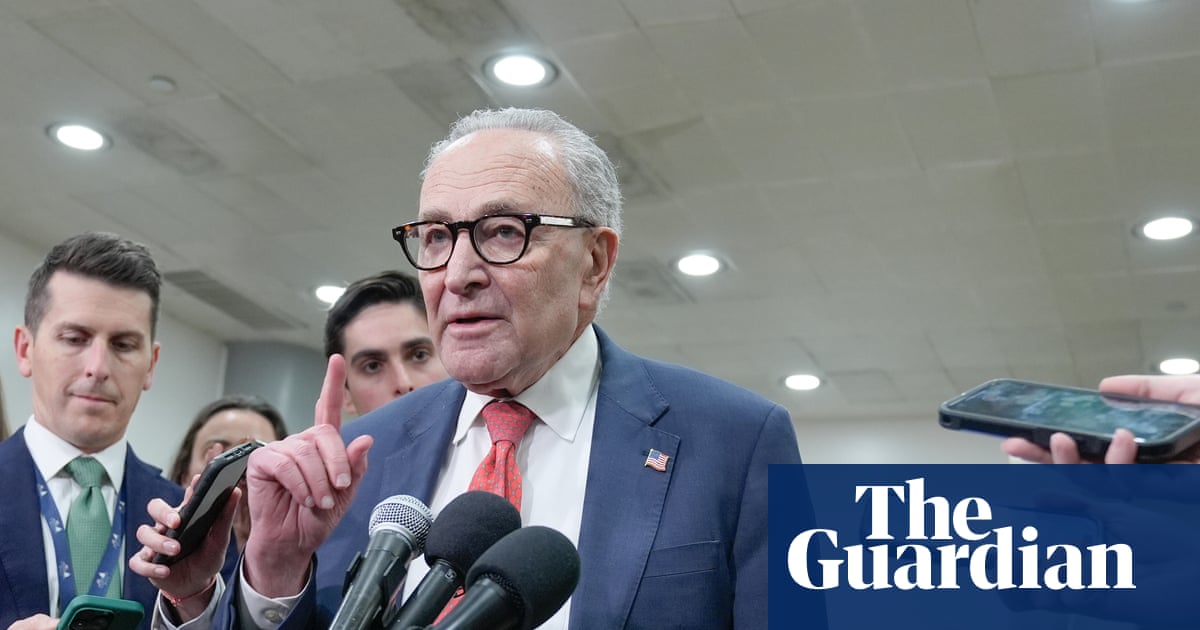
Senate Democratic leader Chuck Schumer, who had led the party’s weeks‑long effort to keep government closed until lawmakers agreed to extend tax credits that lower ACA premiums, faced the sharpest criticism. Although Schumer did not endorse the compromise publicly, fellow Democrats and aligned groups accused his leadership of failing and urged him to step down.
Former Republican strategist Rick Wilson blasted the outcome as a ‘‘colossal leadership failure,’’ saying the eight moderates were ‘‘played’’ and arguing Schumer should resign if he felt any ‘‘honor or shame.’’ Progressive organizations echoed the rebukes. Our Revolution executive director Joseph Geevarghese said Schumer ‘‘should step down as Senate minority leader immediately,’’ contending that if Schumer quietly supported the deal he lied, and if he couldn’t hold his caucus together he was inept.
Three House Democrats publicly called for Schumer’s removal. California Rep. Mike Levin said Schumer ‘‘has not met this moment’’ and suggested Senate Democrats should seek new leadership. Rep. Ro Khanna called Schumer ‘‘no longer effective’’ and in need of replacement, while Rep. Rashida Tlaib said he had ‘‘failed to meet this moment’’ and was ‘‘out of touch’’ with working people.
Despite those critiques, no Senate Democrats with the power to force a leadership change joined the calls. House Democratic leader Hakeem Jeffries declined to oust Schumer, responding affirmatively when asked whether Schumer was effective and should remain in his role. A spokesman for Schumer did not comment.
The clash echoed an earlier funding fight this year, when Schumer initially said he would demand changes to a short‑term spending measure but ultimately voted for it alongside centrists, drawing criticism from the party’s progressive base. Schumer survived that earlier backlash and during the 41‑day shutdown had coordinated strategy with progressive groups.
Senate Republicans, led by John Thune, held a series of votes on GOP bills to reopen the government that did not include ACA subsidy extensions. In the House, Speaker Mike Johnson put members on recess to signal his refusal to negotiate on Democrats’ healthcare demand and publicly suggested Schumer feared a primary challenge from Rep. Alexandria Ocasio‑Cortez.
The bipartisan compromise funds agencies through January and promises Democrats a future vote on extending ACA tax credits, but it offers no assurance that such legislation would pass the Senate or reach the House floor. Schumer said the agreement failed to address the healthcare crisis and did not vote to advance the measure in a key procedural tally.
By Monday, some Democratic officials urged restraint. DCCC chair Suzan DelBene reminded House members that the committee was targeting dozens of Republican districts and encouraged them to focus on holding vulnerable Republicans accountable rather than attacking Schumer. Progressive groups pressed on: Indivisible urged supporters to call Democratic senators demanding new leadership, saying Schumer either ‘‘blessed this surrender, or was incapable of leading his caucus to hold the line.’’
Whether the party’s base will accept calls to let Schumer stay on as leader remains unclear.