
Ukraine’s independent anti-corruption bureau said on Monday it has opened a wide-ranging investigation into the energy sector, alleging kickbacks tied to transactions involving state nuclear operator Energoatom.
The national anti-corruption bureau (NABU) said several senior figures are implicated. Ukrainian media identified one as Timur Mindich, a businessman with links to President Volodymyr Zelenskyy. Mindich is reported to have left the country hours before investigators searched his Kyiv apartment. He is a co-owner of Kvartal 95, the media company Zelenskyy founded before entering politics, and was previously a friend and business partner of the president; sources say their contact has reduced since Russia’s full-scale invasion.
NABU said a group of individuals had formed a criminal organisation that built what it called a large-scale corruption scheme aimed at influencing strategic public enterprises, in particular Energoatom. The bureau alleges the network forced Energoatom’s contractors and suppliers to pay 10–15% kickbacks to avoid having payments blocked or losing their supplier status.
A senior official in the presidential administration, when asked about Mindich, said the government supports efforts to root out corruption and that evidence collected by NABU and other independent bodies should be examined in court.
The case highlights ongoing tensions between the president’s office and Ukraine’s principal anti-corruption institutions. In July, Zelenskyy approved a bill that temporarily curtailed the powers of NABU and the specialised anti-corruption prosecutor’s office, triggering large protests outside the presidential offices in Kyiv and calls for a veto. Facing public criticism and pressure from European partners, Zelenskyy reversed course and new legislation was quickly enacted to restore the agencies’ authority, a move that appeared to reaffirm their independence.
Fighting corruption and bolstering the rule of law remain key conditions for Ukraine’s accession to the EU, a goal many Ukrainians view as crucial amid the ongoing war with Russia.
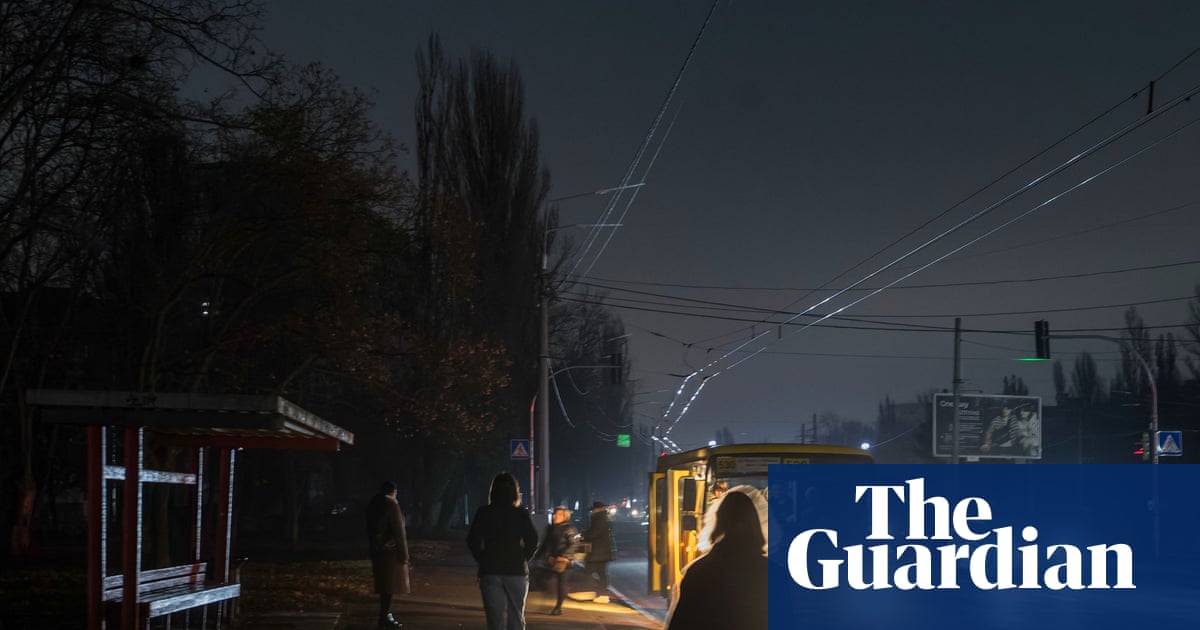
Ukraine’s electricity network has also suffered heavy damage from a campaign of Russian strikes this autumn, producing widespread outages. While Russian forces have not hit nuclear power plants directly, substations and other infrastructure connected to them have been damaged, affecting supply.
In a recent interview published by the Guardian, Zelenskyy described Vladimir Putin’s actions as deliberate ‘terrorist acts’ aimed at civilians by cutting off power and water; the lights went out twice during the conversation at the presidential palace in Kyiv.
Reuters contributed to this report.