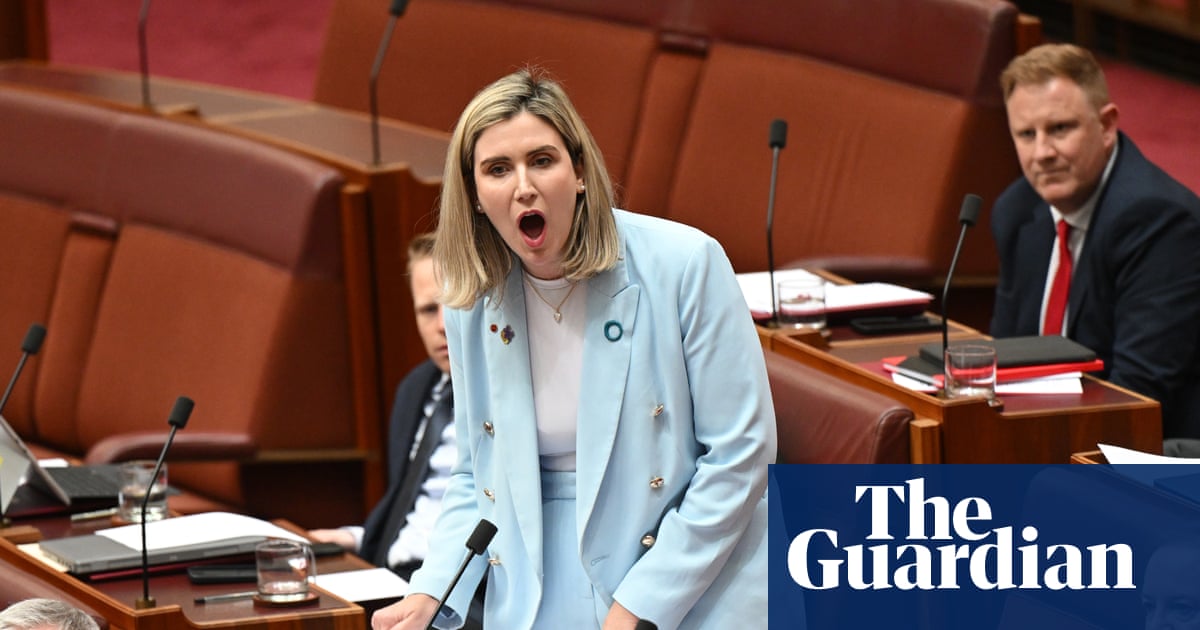

Labor forced an unprecedented, marathon question time in the Senate after crossbench and opposition senators successfully changed standing orders in a showdown over government transparency.
Independent senator David Pocock moved to add five extra questions to daily question time until the government released a long-delayed report into board appointments by former public service commissioner Lynelle Briggs. The motion, backed by the Coalition, Greens and other crossbenchers, was designed to pressure the government to hand over documents it has refused to publish, citing cabinet and confidentiality concerns.
In a rare tactical escalation, Labor kept question time running well beyond the normal hour. What normally runs from 2pm to 3pm — with Pocock’s extra questions expected to add roughly 20 minutes — stretched into a marathon session that ran until about 5.30pm. Guardian sources described the 210-minute sitting as likely the longest question time since federation; Labor framed it as breaking a 125-year record.
The extended session turned fractious. Government senators complained that the new approach overturned long-standing convention, and ministers gave very short answers to the additional questions. That prompted frequent interruptions and shouting matches between Labor, the Coalition and Greens. Labor minister Murray Watt called the crossbench action a “dummy spit,” while the trade minister leading the Senate, Don Farrell, dismissed the tactics as “cheap tricks.” Nationals senator Bridget McKenzie accused the absent prime minister, Anthony Albanese, of “bullying this chamber.”
Some senators visibly grew restless during the prolonged sitting: one waved to schoolchildren in the gallery; a Liberal backbencher crafted a necklace from lolly wrappers. Finance minister Katy Gallagher joked about senators rushing to catch flights afterwards, and government sources expressed frustration at the delay.
The dispute centres on the Briggs report, which was received by Gallagher’s office two years ago. Pocock and his supporters say the government is improperly withholding material the Senate is entitled to see; Pocock told the chamber he regularly receives no documents or heavily redacted pages and said the new measures are intended to force compliance.
Gallagher countered that the government would release the report “when that work is finished” and accused opponents of abusing Senate orders by issuing what she described as unreasonable and voluminous document requests. She noted a surge in recent Senate orders for documents — far higher than past governments — arguing some had scopes running to thousands of pages and unrealistic timeframes for compliance.
The government reacted angrily to the change in practice, with senior sources warning of possible reprisals against the Coalition for supporting Pocock’s motion. Reported options included stripping Coalition senators of deputy chair positions on committees. Liberals condemned such threats as petty and authoritarian; the prime minister’s office and key leaders declined to comment publicly.
Pocock defended his approach as constitutional and necessary. He accused the government of favouritism in appointments and said pressure would continue until the report was released. “Jobs for mates is a real problem in this place,” he told reporters, adding that the Senate was simply doing its job under the constitution.
The episode reflects rising tensions over transparency and document access in federal parliament. Critics have increasingly accused the government of undermining freedom-of-information principles by withholding material; the dispute in the Senate shows how procedural tools and crossbench alliances can be used to escalate those fights into prolonged and highly visible confrontations.