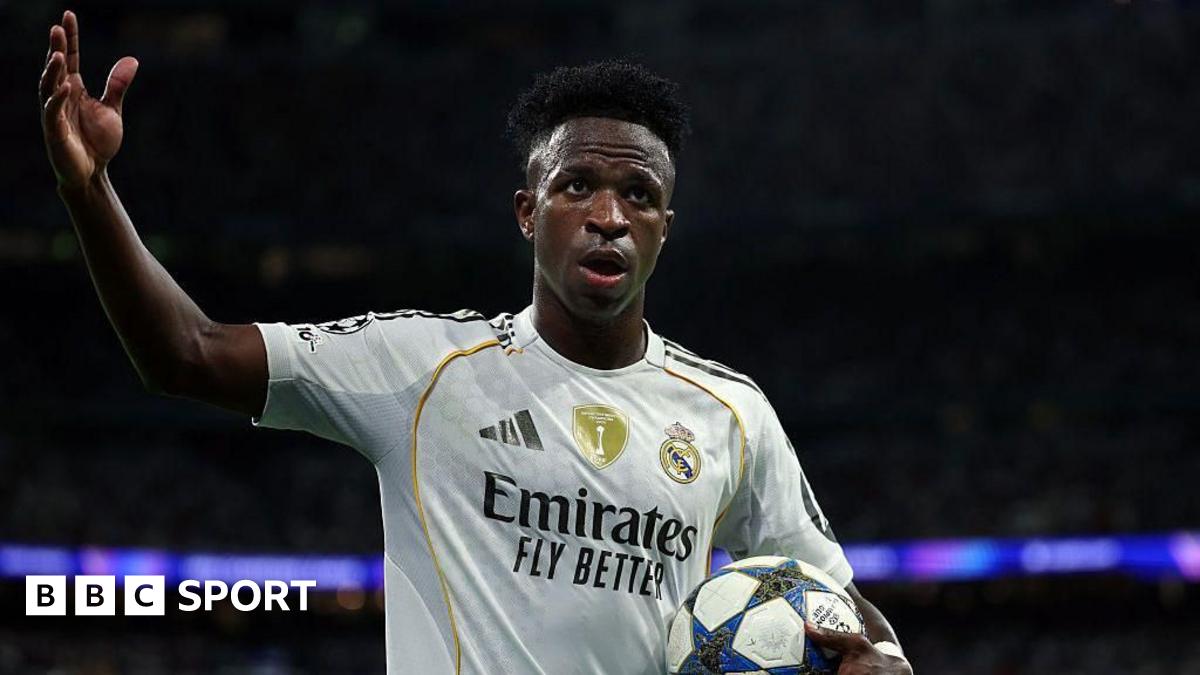

Vinicius Jr’s visible frustration after being substituted in El Clasico was not an ultimatum or an immediate bid to leave Madrid, but it did underline growing tension between the forward and manager Xabi Alonso that will need careful handling.
The outburst — including a muttered “I’m going to leave this team” as he came off — was emotional rather than a fully formed plan. The idea of leaving had surfaced before, at the end of the last transfer window, but no concrete offer emerged. Those close to Vinicius say the comments followed a heated clash with Alonso before the Club World Cup semi-final against Paris Saint-Germain and reflected a deeper sense that his role at the club has shifted.
Under Carlo Ancelotti, Vinicius had a large degree of freedom: he could improvise, take risks and often functioned as the creative heartbeat of the side. Xabi Alonso has introduced a different approach — more structure, positional discipline and collective patterns of play. That change has unsettled some players used to greater latitude, and Vinicius in particular has struggled with what he perceives as a loss of special treatment.
The relationship between player and coach has been strained. The defining incident occurred in the final training session before the PSG match when Vinicius, who had been starting regularly, was told he would be on the bench. He reacted strongly and Alonso, determined to make clear that no one is above the system, did not back down. Since then, Alonso has been consistent: Vinicius will not be expected to play every minute, he needs rest, and competition for the left-sided role — notably from Rodrygo — is real.
Alonso’s management style mirrors his playing career: methodical, controlled and willing to confront issues directly. He seeks to instill order rather than placate star players. Vinicius, who had a warmer, more personal relationship with Ancelotti, has found the professional distance harder to accept.
At board level, the club’s priorities have also shifted. Real Madrid’s long-term project increasingly centers on Kylian Mbappé, but the hierarchy insist Vinicius remains important to their plans and say they want him to stay. The club has indicated an intention to extend his contract through 2030, yet negotiations were put on hold by the player last summer. Vinicius feels the club has not consistently defended or valued him amid media scrutiny and refereeing controversies, and he is reluctant to renew while the relationship with the coach remains uneasy.
Understanding Vinicius’s reaction also means recognising his background. Raised in São Gonçalo, on the outskirts of Rio de Janeiro, he came through difficult circumstances that taught him to fight for recognition. Teammates describe him as impulsive but not malicious: someone who takes perceived slights personally but calms down relatively quickly.
For now, the situation is best described as a truce rather than a resolution. Vinicius issued a public apology and also apologised to the squad; Alonso accepted it, though the manager was not explicitly mentioned. Both men know an open confrontation would harm the team. Alonso still values the Brazilian’s intensity and unpredictability, while Vinicius realises sustained conflict would be damaging to his career and the club’s objectives.
Alonso is unlikely to abandon his methods. His authority is central to the system he is building, and Vinicius will need to channel his emotions into performances within that framework. If they can rebuild trust, contract talks could resume; if tensions persist and substitutions continue, the standoff may endure.
The club hierarchy remains calm, the coach remains firm, and the player has, at least publicly, shown contrition. Real Madrid’s dressing room has endured more serious crises and, for the moment, this one appears contained — though future team selections and results will determine whether the truce holds or flares up again.