
Shop owners and shoppers are bringing Halloween purchases forward, turning what used to be a short run-up into a much longer season.
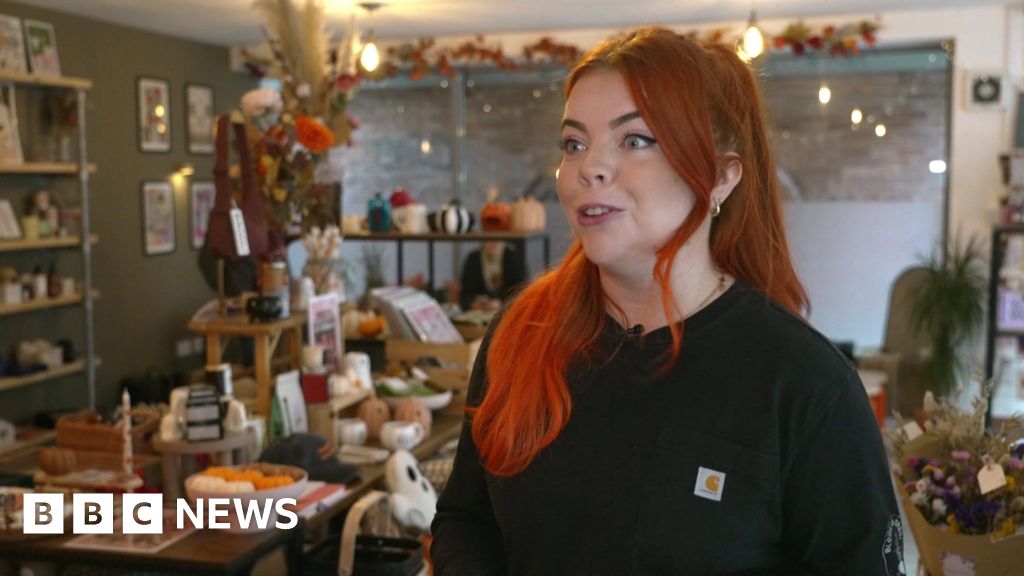
“It’s been our busiest year yet for Halloween,” says Charlotte Brennan, who runs Bloom & Brew, a café and gift shop in Ormskirk. She remembers pumpkin-spiced lattes being requested from August and says that once families had finished back-to-school shopping, they switched straight into “cosy” autumn spending. “For our sales, where previously it was just a two-week period from mid-October to the 31st, now it’s much longer — people want pumpkins and decorations.”
Brennan and other small retailers point to social media as a big driver: trends on apps such as TikTok encourage earlier buying and a focus on reusable homeware and décor rather than the cheap, throwaway items that used to be common. “Many customers buy one or two decorative pieces each year to build a collection, as they do for Christmas,” she adds.
Retail data backs up those observations. Worldpanel by Numerator found more than £100m was spent on sugar confectionery in British supermarkets in the four weeks to 5 October, a 5% increase on the same period a year earlier. Its figures also suggest more than a million shoppers had already bought pumpkins by the start of October, with pumpkin sales totalling £1.4m in the four weeks prior — roughly double the amount spent in the comparable period in 2023.
Overall spending on Halloween reached roughly £2bn two years ago and is expected to rise again this year. Worldpanel’s data indicates that in 2024 as many as 91% of people bought something Halloween-related. The panel also reported a 37% increase in retail spending on Halloween- and autumn-associated categories in the two weeks leading up to 31 October 2024, compared with a typical two-week period. Sales of candles and pyjamas were nearly 20% higher, suggesting the occasion is not just about costumes and sweets but also about creating cosy, seasonal experiences at home.
Vikash Kaansili, a senior retail analyst at Kantar, says this points to a broader shift: “Halloween is no longer just for kids. The growth in sales of pyjamas and candles suggests adults are embracing Halloween as an opportunity for a night in at home, not just for children’s trick-or-treating. Despite cost-of-living pressures, Halloween continues to prove resilient. Shoppers made more trips in the two weeks leading up to Halloween [2024] and spent 16% more than they usually do, suggesting it’s a ‘must-do’ occasion that people are unwilling to cut back on.”
Supermarkets are stocking up earlier too. Worldpanel data showed that in the four weeks to 29 September 2024, just under £1m was spent on pumpkins in British supermarkets, nearly double the figure for the same period in 2023. Asda said it was on track to sell 400,000 mini “munchkin” pumpkins this year — up from 200,000 last year — mainly for displays rather than cooking.
The seasonal surge has also become a valuable revenue stream for leisure and entertainment businesses. Fiona Eastwood, chief executive of Merlin Entertainments, which owns theme parks including Thorpe Park and Alton Towers, told the BBC that the Halloween period now rivals peak summer for profits at some sites. “Take Thorpe Park: increasingly Halloween is almost half of its annual profit and that’s because we have special rides in the dark, you have mazes, and that whole thrill that we’re tapping into,” she said.
Farm businesses have benefited too. Andy Owens, a sheep and crop farmer in Herefordshire, started a pumpkin patch in 2021 and has seen it more than double since then. Pumpkins use little land but provide steady October income in what can be a volatile month. Owens charges £5 per person for entry and, after initial growth, visitor numbers are up around 10% so far in 2025 compared with last year. His site now includes a horror maze staffed by local actors.
“Pumpkins for us only use a small amount of land, but generate income in October,” Owens says. “It’s snowballed. When we set up only four years ago, there were only two others in the county. Now there are many more.”
The picture from shops, supermarkets, farms and attractions is consistent: Halloween has stretched from a brief shopping window into an extended season. Influences including social media trends, adult-focused product ranges and themed attractions are all pushing demand earlier, and retailers and venues that prepare for a longer Halloween period are seeing the benefits.