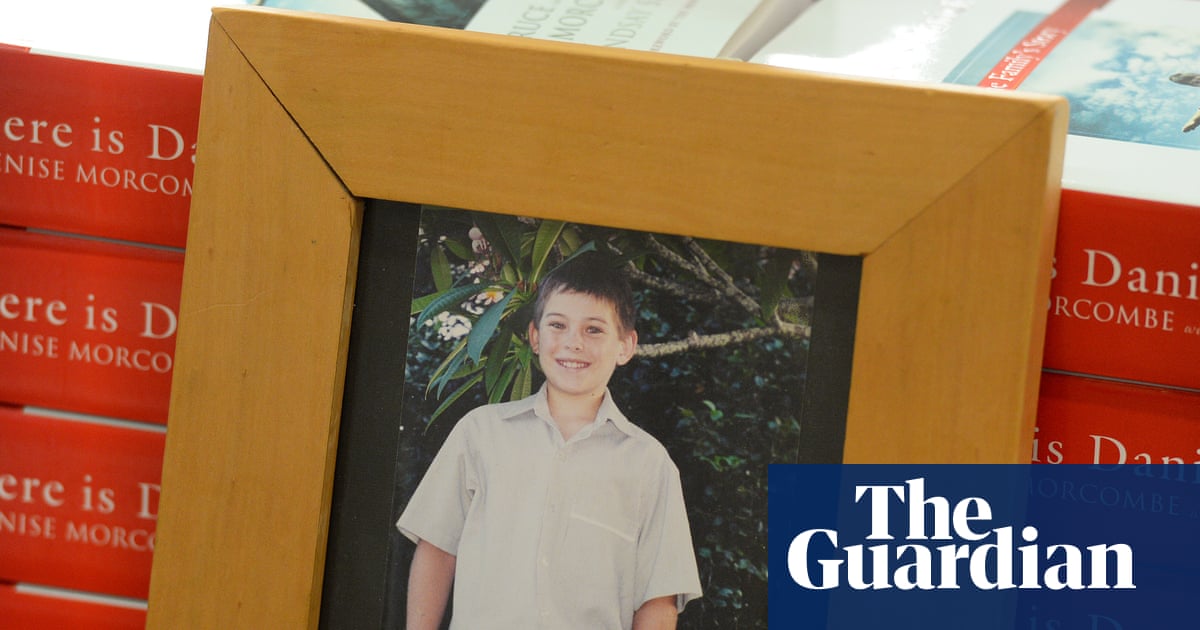

Queensland’s parliament has passed laws to establish the state’s first public register of some child sexual offenders, legislation named in memory of Daniel Morcombe. Daniel’s parents, Bruce and Denise Morcombe, who founded the Daniel Morcombe Foundation after their 13‑year‑old son was murdered in 2003 by Brett Peter Cowan, said they hope the law will become a model for a national register.
Premier David Crisafulli described the change as a “monumental day” for families in Queensland, saying the register will make it harder for convicted predators to hide in communities. The government conceded the laws may limit offenders’ freedom to move in communities and overrode the state’s Human Rights Act to pass the measures.
The new framework mirrors the Western Australia model and introduces three access pathways to information that until now was only available to police. Under the first tier, police may publish images and certain personal details of offenders who have breached reporting obligations and whose whereabouts are unknown. The second tier lets Queensland residents apply to temporarily view facial images of reportable offenders living in their suburb or small town. A further pathway allows parents and guardians to ask whether a person who has unsupervised contact with their child is a convicted sexual offender.
The bill also creates three new offences aimed at preventing misuse of information and acts of vigilantism; police minister Dan Purdie warned that vigilantism will not be tolerated.
Only Western Australia currently runs an operational public scheme that lets parents and guardians make inquiries; South Australia has recently moved to create a similar register. Supporters say public access will help families protect children. Critics and experts stress limits: child safety group Bravehearts backed the legislation but warned it risks giving parents a false sense of security, noting that only a small proportion of convicted offenders can be included in the WA scheme (about 6% in evidence cited to the inquiry).
Decades of research and national studies show child sexual abuse is under‑reported and that many perpetrators never face conviction — the Australian Child Maltreatment Study found much higher prevalence of abuse than conviction figures suggest. A 2021 meta‑analysis of studies on similar policies found little effect on recidivism by previously convicted offenders. Bravehearts urged greater investment in proven prevention and reintegration approaches, including circles of support and accountability (CoSA), a model shown in randomized research to sharply reduce reoffending among high‑risk individuals.
Victims’ groups such as Voices for Victims supported the register overall but warned it could inadvertently identify or stigmatise victims and impact families. The government says the laws strike a balance between community safety and rights, while adding legal protections against misuse.
Support and helplines: Kids Helpline 1800 55 1800; Bravehearts 1800 272 831; Blue Knot Foundation 1300 657 380. International child‑helpline information is available through Child Helplines International.