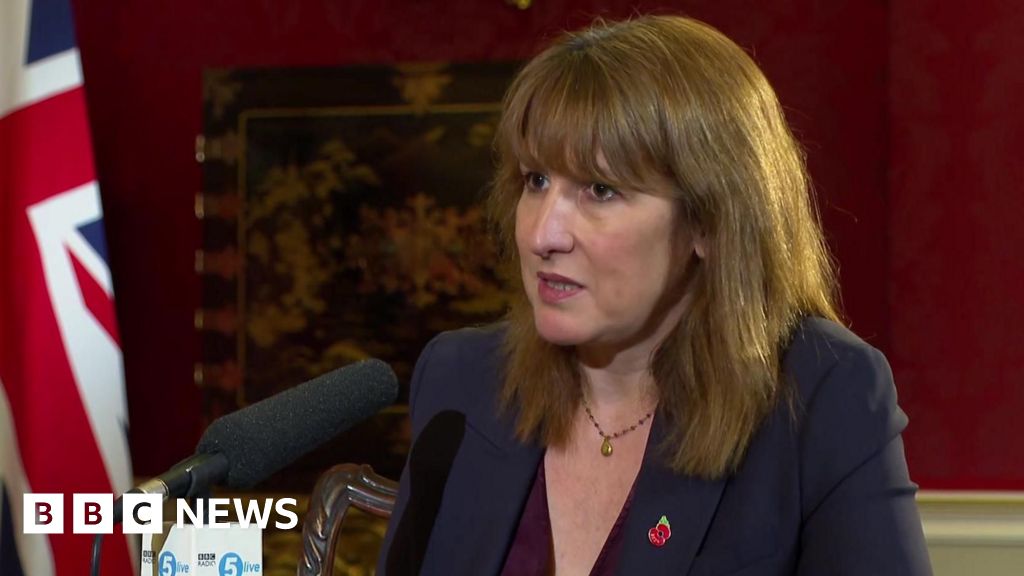

Rachel Reeves has indicated she supports removing rules that limit benefit payments based on family size, potentially scrapping the two‑child cap on working‑age support introduced in 2017. Speaking to the BBC, the chancellor said it is unfair for children in larger families to be penalised for circumstances beyond their control and that action will be taken to reduce child poverty.
Labour MPs are divided on how far to go: some favour a full reversal of the policy, while Treasury officials have reportedly explored alternatives such as a tapered system—offering most support for a first child and reduced amounts for subsequent children—or limiting additional payments to families with three or four children. Reeves told BBC Radio 5 Live she does not want benefit levels to be determined by family size and noted there are many reasons parents’ finances can change after having three or four children.
On taxes and spending, Reeves signalled the government may depart from Labour’s 2024 manifesto pledge not to raise income tax rates, VAT or National Insurance, saying strict adherence would require deep cuts to capital investment. She said she will make decisions she believes are right for the country rather than opting for politically easy positions. The manifesto had promised not to increase basic, higher or additional income tax rates or National Insurance, and stated VAT would not be increased, though it did not define scope precisely. Reeves has not ruled out extending the freeze on income tax thresholds beyond 2028, a measure that would bring more people into higher tax bands as wages rise.
Pressed on whether higher taxes could have been avoided by tighter public spending, she defended additional NHS funding and listed reducing waiting lists as one of three Budget priorities. Reeves also argued some spending announced at the previous government’s spending review had been pencilled in without proper funding.
How the two‑child cap works: households receiving universal credit or child tax credit do not receive payments for a third or later child born after April 2017. This is distinct from child benefit, which generally continues unless the highest‑earning parent has income above £80,000. There is also an overall cap on the total amount of benefits a working‑age family can claim, in place since 2013.
The Institute for Fiscal Studies estimates that entirely reversing the two‑child cap could lift about 630,000 children out of absolute poverty—defined as household income below 60% of the median—at an estimated cost of roughly £3.6 billion a year. Pressure to act has grown during Labour’s deputy leadership contest, where candidates including winner Lucy Powell and runner‑up Bridget Phillipson called for stronger measures on child poverty.
Political reactions vary. Reform UK has pledged to remove the limit for working British couples if it were to win power. The Conservatives argue the cap should remain, framing the debate as one of asking working taxpayers to fund open‑ended support. After a symbolic Commons vote in September, the Tory leader criticised removing the cap, saying those on welfare should face the same constraints as people outside the benefit system and warning that Labour or Reform policies would require working people to fund unlimited payments.