Israeli warplanes struck targets across Gaza on Tuesday night after Prime Minister Benjamin Netanyahu ordered “powerful strikes,” in what officials described as the most serious test of the 18‑day US‑brokered ceasefire.
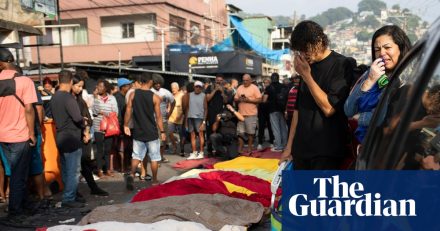
Witnesses reported aircraft and explosions over Gaza City and elsewhere in the strip shortly after Netanyahu’s announcement. Medical sources said at least seven people were killed in separate strikes in Gaza City and Khan Younis, including two children.
The strikes followed a firefight between Palestinian militants and Israeli troops and came amid heightened anger in Israel over the return of body parts of a hostage whose remains Israeli forces had recovered two years earlier. Netanyahu convened an emergency meeting to review what he described as Hamas violations of the ceasefire as calls grew from far‑right ministers for a resumption of full military operations.
Israeli officials said the action was prompted in part by an earlier attack on Israeli soldiers in southern Gaza using an anti‑tank missile and small arms. Hamas denied responsibility for that incident and reiterated its commitment to the ceasefire, but an Israeli military official told Reuters the attack had taken place east of the agreed withdrawal line and therefore breached the terms of the truce.
Israel’s defence minister, Israel Katz, warned that Hamas would “pay many times over” for attacking soldiers and for failing to return hostages’ remains. The Israeli military confirmed a soldier had been killed on Wednesday.
Washington was notified in advance of the strikes, US and Israeli officials said. Speaking on Air Force One, US President Donald Trump said the ceasefire should not be jeopardised but added that Israel “should hit back” if its soldiers were killed. US vice‑president JD Vance said he believed the ceasefire would hold despite the skirmish, while cautioning that occasional clashes could occur.
Under the ceasefire, brokered on 10 October, Hamas is required to return the remains of Israeli hostages; Israel agreed to transfer 15 Palestinian bodies for each Israeli return. Hamas has returned some remains but has yet to account for 13 bodies under the deal. Israeli authorities said a recent handover did not match any of the missing cases and identified the remains as belonging to Ofir Tzarfati, whose body had been recovered by the IDF in December 2023.
The dispute over returns escalated after the Israeli military released footage it said showed Hamas reburying a body to stage a false discovery for the International Committee of the Red Cross. Hamas has disputed some of Israel’s claims and warned that Israeli strikes would hamper efforts to recover remains.
The violence has intensified domestic pressure in Israel. Far‑right ministers Itamar Ben‑Gvir and Bezalel Smotrich publicly demanded decisive action, with Ben‑Gvir saying Hamas’s behavior proved it remained a continuing threat and urging Netanyahu to “give the order.” Smotrich called for forceful responses to eliminate the threat from Gaza.
It was not clear whether the strikes would be followed by wider punitive measures. Israeli media reported Netanyahu was considering shifting the line dividing areas of Gaza under IDF control or restricting the flow of humanitarian aid.
Hamas has said it does not know the precise whereabouts of all the bodies, claiming it lost contact with some units that had been holding captives and were reportedly killed in previous bombardments. Gaza authorities have accused Israel of breaching the truce repeatedly; the Gaza media office said Israel had violated the deal more than 80 times, causing dozens of deaths since the ceasefire began.
In a separate development on Tuesday, Israeli forces killed three Palestinians they described as members of a “terrorist cell” during a raid near Jenin in the occupied West Bank.
The strikes mark the most serious breakdown of the ceasefire so far and raise tensions over whether the truce can survive escalating incidents and domestic pressure in Israel for a return to wider combat.