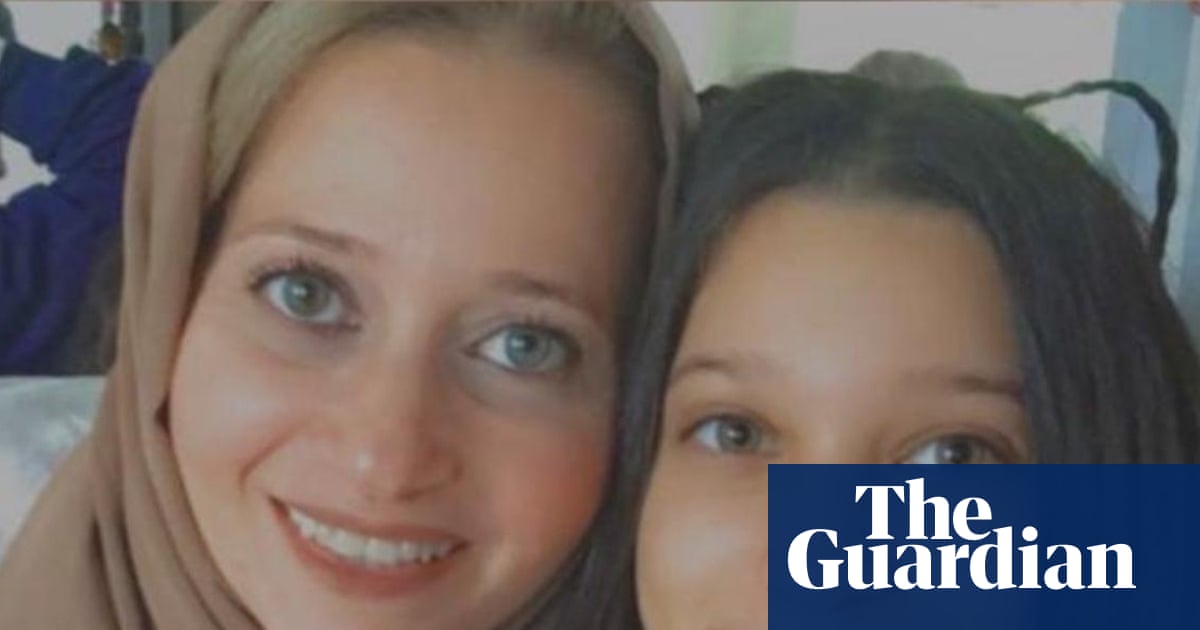

A 16-year-old from Gaza who was accepted to study in Britain and reunite with her mother says she feels “stuck in hell” after being repeatedly denied a visa. Dania Alafranji was admitted to the Nsouli Scholars Programme at Reddam House school in Berkshire more than 18 months ago but has not received permission to travel to the UK, leaving her family frustrated and exhausted by what they describe as a circular and unhelpful process.
Dania says she cannot stay in Gaza — not only because of immediate safety concerns but because the conflict has destroyed most education opportunities. “Everything was relatively normal, then suddenly we found ourselves stuck in hell,” she said. “We can’t learn here, 90% of the schools and universities here have been destroyed, and the rest are used as shelters. The war is not my fault, and it’s not the fault of the other 600,000 Gazan students.”
She wants to study cybersecurity and has been teaching herself online for the past two years. Dania describes life in Gaza as relentless: “It’s like an oven, and the fire is burning us not just from the outside but the inside as well.”
The UK Home Office has made limited exceptions for students, allowing entry through the Chevening Scholarship route, which is for university-age applicants and typically permits only one-year stays. The Home Office says it will not comment on individual cases and notes students must be 18 or over to be eligible for certain supports.
Dania’s family contest the consistency of that policy, saying other young people from war zones have been allowed into Britain. They point out that several Gaza students have travelled to other European countries — including Italy, Belgium, Ireland and France — where authorities have made exceptions on humanitarian grounds.
Her mother, Hayat Ghalayini, who left Gaza during the early months of the war and is now settled in Manchester with her husband, says officials have expressed sympathy but offered little practical help. “They say that because she does not have a visa she cannot come, but she cannot get those things without leaving Gaza,” Ghalayini said. “In order for Dania to get a visa, she needed to submit some biometrics. But because of war there were no means for her to get those biometrics through. It’s a catch-22, we are just going in circles.”
Ghalayini had expected to be reunited with her children within weeks when she left Gaza. She has not seen Dania since she was 14 and says the prolonged separation and halted education are agonising. “A lot of people in the Home Office have children, and if they could just look at it from a strictly humanitarian perspective, they’d see a 16-year-old who is scared and in danger, and just wants to learn and be safe,” she said. “If they could just give me a reason, then I would be happy with that, but she’s just a girl whose whole education has been halted. They did the same for the Ukrainian children. They did the same for children from other areas of war, children who had no connections to the UK. I just don’t understand, why can’t they help my daughter?”
Dania’s case highlights wider questions about the treatment of young people displaced by conflict and the practical obstacles — such as the inability to provide required biometrics during active hostilities — that prevent vulnerable applicants from accessing resettlement or study routes. The Home Office has been approached for comment.