
Duduzile Zuma-Sambudla, a politician and daughter of former president Jacob Zuma, has pleaded not guilty to charges of incitement to commit terrorism and public violence over the deadly 2021 riots. Her trial opened on Monday in Durban; prosecutors contend this is South Africa’s first terrorism-related prosecution based primarily on social media activity and allege she played a central role in encouraging the unrest online.
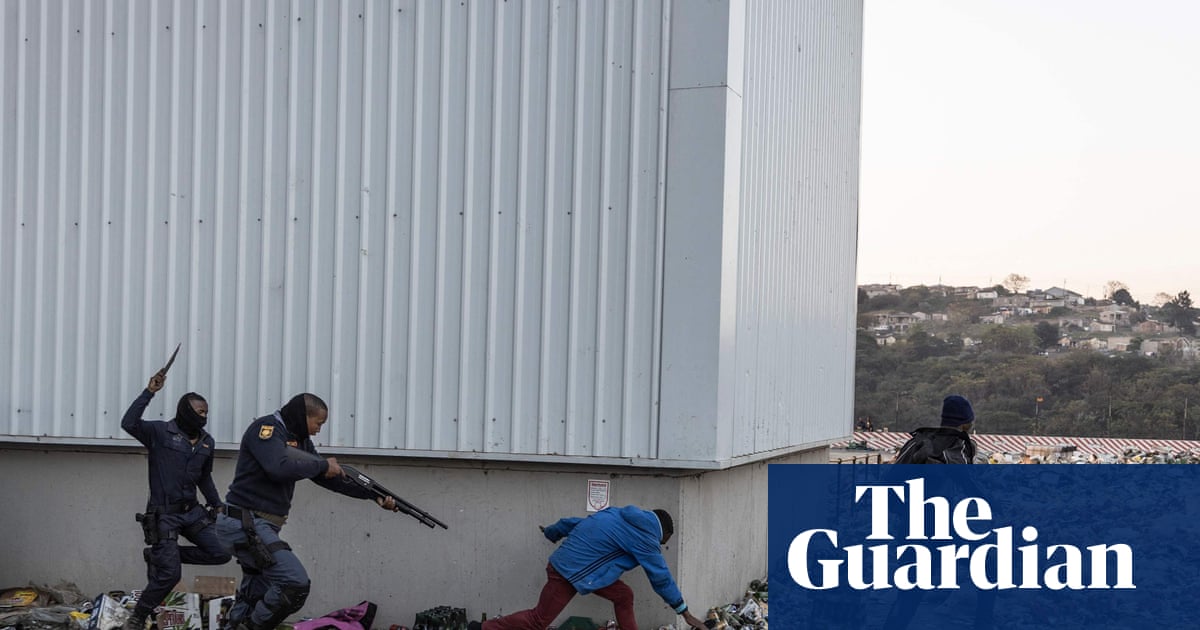
The violence erupted after Jacob Zuma surrendered to police in July 2021 to begin a 15-month sentence for contempt of court after refusing to appear before a commission investigating so-called state capture. Zuma served roughly two months, mostly in a prison hospital wing, before being released under a presidential decision that affected certain non-violent offenders. The protests and looting that followed in Gauteng (which includes Johannesburg) and KwaZulu-Natal (whose capital is Durban) left more than 350 people dead and caused severe economic damage, one of the worst bouts of domestic unrest since the end of apartheid.
Prosecutors say investigators identified 164 WhatsApp groups allegedly used to coordinate the disturbances and claim Zuma-Sambudla “intentionally and unlawfully encouraged the public to act in acts of violence under the guise of freeing Jacob Zuma from incarceration.” She denies those accusations; at a preliminary hearing she wore a T-shirt reading “Modern Day Terrorist,” a satirical response to the charges.
Zuma-Sambudla followed her father when he left the African National Congress in 2023 to form uMkhonto weSizwe (MK), a party named for the ANC’s former armed wing. She was elected to the national assembly on MK’s ticket in last year’s election and has been a close ally of her father. She was born in Mozambique while Jacob Zuma was in exile.
In court on Monday she appeared relaxed and smiled; Jacob Zuma attended in support. The Jacob Zuma Foundation dismissed the prosecution as selective targeting of the family. Mzwanele Manyi, speaking for the foundation, accused state institutions of long being used to “destroy President Zuma and those associated with him,” saying her social media posts were reactive commentary amid widespread anger at the jailing of a liberation-era figure.
The commission of inquiry into state capture examined allegations largely involving the Gupta family, three brothers accused of using their influence to secure lucrative government contracts and to shape ministerial appointments. The inquiry and its fallout provide the wider context for the polarizing events and debates that continue to surround the 2021 unrest and the current prosecution.