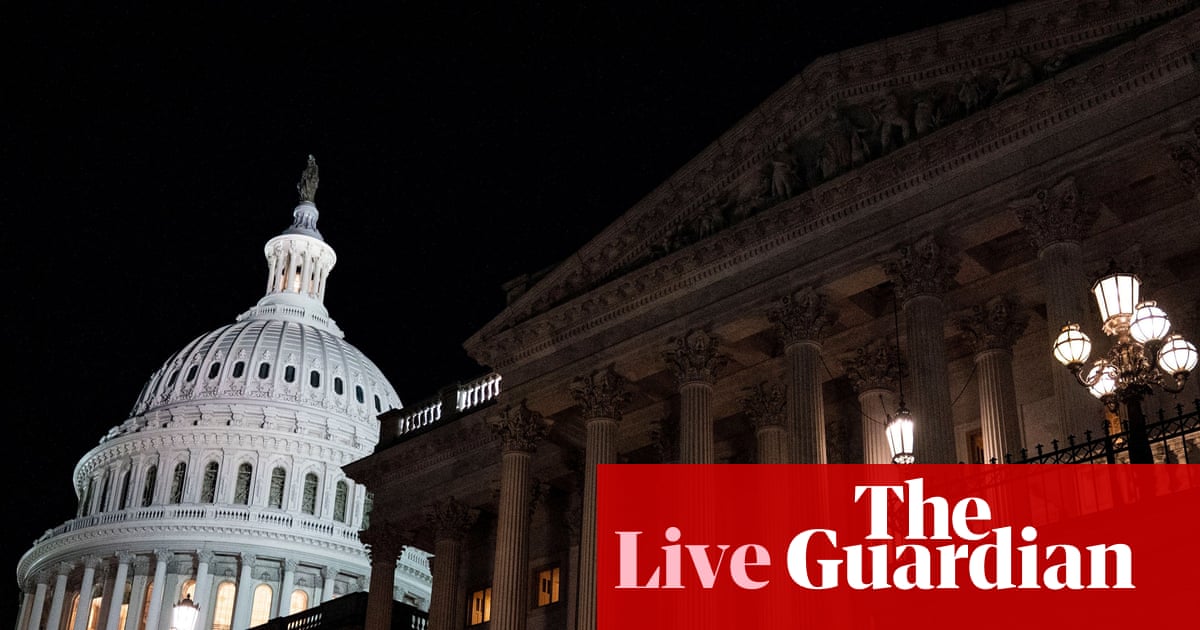

The US Senate approved a bipartisan compromise on Monday to end the longest government shutdown in US history. The measure advanced by a 60-40 vote, with nearly all Senate Republicans and eight Democrats supporting the amended package. The bill now goes to the House, which is expected to vote on it on Wednesday; Speaker Mike Johnson urged members to return to Washington immediately to finish the process.
What the bill does
– Provides stopgap funding for the federal government through the end of January.
– Reverses recent firings of federal employees that occurred after the shutdown began.
– Ensures back pay for federal workers, including military personnel, border patrol agents and air-traffic controllers.
Who voted to advance the bill
Seven Democrats — Catherine Cortez Masto, Dick Durbin, John Fetterman, Maggie Hassan, Tim Kaine, Jackie Rosen and Jeanne Shaheen — plus independent Angus King joined Republicans to advance the measure. Several of those Democrats are moderates or retiring members; none of the eight who voted to move the package forward face re-election in 2026.
Key omission: ACA subsidies
The compromise does not extend Affordable Care Act premium tax credits that Democrats had sought to preserve. Progressive groups and Democratic leaders criticized that omission. A separate effort led by Senator Tammy Baldwin to renew the expiring tax credits was blocked on a party-line vote.
Reactions inside the Democratic Party
Progressive activists and some House Democrats called for Senate Minority Leader Chuck Schumer to step down, arguing he failed to hold the caucus together. MoveOn urged Schumer to resign, calling the vote a surrender. House Minority Leader Hakeem Jeffries defended Schumer and said he should remain party leader.
Supporters explain their votes
Senators who broke with their party said reopening the government was urgent to stop harm to federal workers and people relying on programs such as SNAP. Senator Maggie Hassan urged Republicans to now negotiate on ACA subsidies once the government is open. Angus King said ending the shutdown creates an opportunity to resume negotiations on outstanding priorities.
Next steps and timing
Because the Senate amended the bill, it must return to the House for final passage. If the House approves the Senate text and the president signs it, agencies would be funded through January and federal employees would receive back pay. Travel and service disruptions tied to the shutdown would begin to ease, though procedural and travel logistics mean the shutdown could continue for a few more days while members return and vote.
Wider context and related developments
– Speaker Johnson said he would recall the House as soon as the Senate completes its final vote and indicated he would swear in newly elected Democratic representative Adelita Grijalva when the chamber reconvenes. Her swearing is expected to bring a petition threshold that could force a House vote on releasing files related to Jeffrey Epstein.
– The shutdown severely disrupted air travel, with thousands of flights canceled and many more delayed after air traffic controllers and other staff worked without pay. The FAA warned it was reducing capacity at some busy airports because of workforce strain.
– The administration appealed to the Supreme Court to keep SNAP payments frozen during the shutdown after a federal appeals court ordered full funding of November benefits; the high court was expected to rule.
– President Trump said he would “abide by the deal” if the Senate package reached his desk and criticized Senate Minority Leader Schumer in interviews.
– Other administration actions and controversies mentioned during the shutdown period included a request for Supreme Court review of a $5 million verdict in the E. Jean Carroll case, full pardons for allies accused of trying to subvert the 2020 election, lethal strikes on two alleged drug-trafficking vessels off South America, and diplomacy and trade discussions including a White House visit by Syrian interim President Ahmed al-Sharaa and tariff talks with Switzerland.
– A report said the US sent $7.5 million to Equatorial Guinea to accept noncitizen deportees using funds from a migration and refugee assistance account.
– Health policy news included an announcement from HHS leadership removing boxed warnings on some hormone replacement therapies, citing updated evidence and aiming to increase access for menopausal patients.
– The Supreme Court agreed to hear Watson v. Republican National Committee, a case about whether states may count mail-in ballots that arrive after election day if they were mailed before the deadline. The court declined to take up a separate challenge seeking to overturn the constitutional right of same-sex couples to marry.
– Media tensions surfaced after President Trump threatened legal action against the BBC over a Panorama documentary edit and welcomed resignations of senior BBC figures following criticism of the program’s editing.
Political fallout and what to watch
The bipartisan Senate move split Democrats and sparked both criticism and defense inside the party. Backers said the agreement was the only viable path to reopen government and resume talks on unresolved issues; critics said it abandoned important Democratic priorities, especially health-care protections for millions relying on ACA subsidies.
Key things to follow in the coming days:
– Whether the House will pass the Senate’s amended bill and the speed with which members can return to vote.
– Renewed negotiations over expiring ACA tax credits during the funded period through January.
– Supreme Court decisions on SNAP funding and the mail-in ballot case, both of which could affect millions.
If the House approves the Senate deal and the president signs it, federal agencies would resume funded operations through January, federal employees would receive back pay, and many immediate disruptions tied to the shutdown would begin to subside.