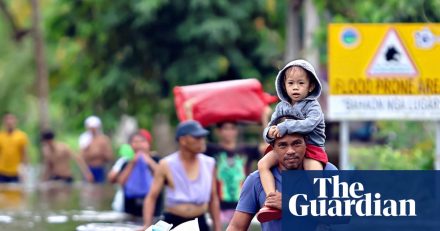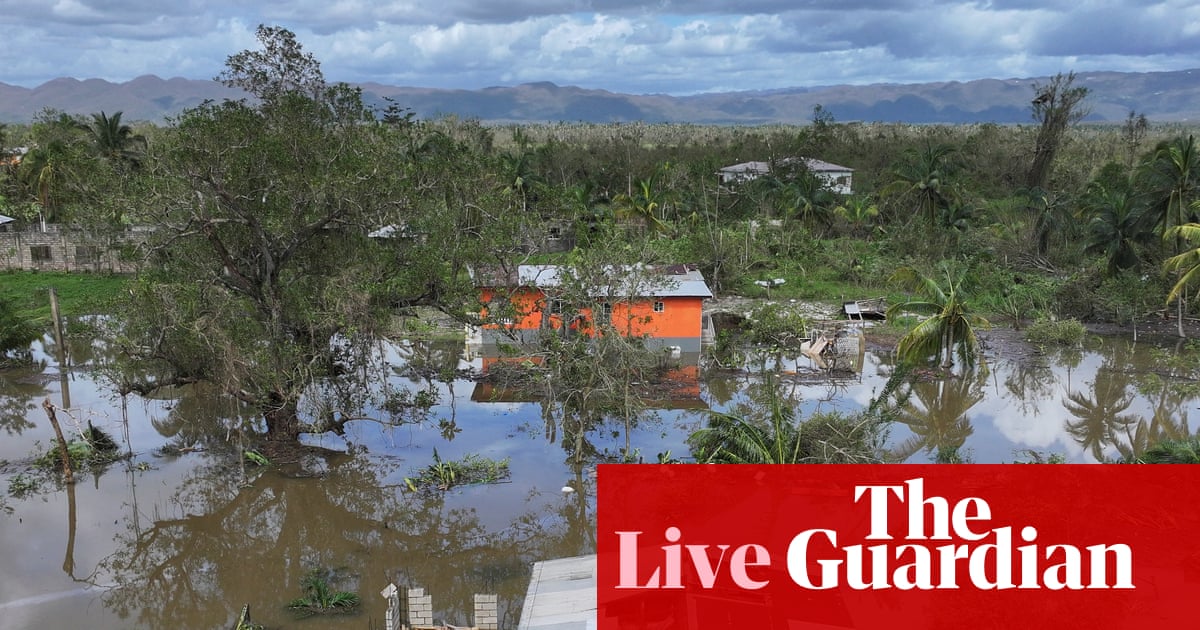

Hurricane Melissa has left a trail of death and destruction across the Caribbean after explosively intensifying into one of the most powerful storms to hit the region in decades. The system carved through Jamaica, then Cuba, and pushed toward the Bahamas and Bermuda as authorities raced to rescue survivors and assess the damage.
Human toll and damage
Reports of fatalities have grown as rescue teams reach isolated communities. Local officials and news agencies reported dozens dead in Haiti after rivers burst their banks; the Associated Press later cited Haiti’s civil protection agency saying the toll could be at least 40 in the worst-hit areas, including late reports of tens of people killed and others missing in Petit-Goâve. In Jamaica, authorities confirmed multiple deaths and recovered bodies in areas such as Black River and Gallon Beach; the town of Black River has been described by its mayor and local officials as devastated.
Jamaica suffered severe damage when Melissa made landfall there as an exceptionally powerful category 5 hurricane with sustained winds reported near 185 mph (295 km/h). Officials said whole communities were flooded, roofs blown off, roads impassable and critical services disrupted: many hospitals were damaged, power and communications networks were widely knocked out, and the south-western parish of St Elizabeth was described as “under water.” At one point about three quarters of the island reported losing electricity.
Cuba evacuations and impacts
Cuban authorities evacuated large numbers of residents ahead of landfall — about 735,000 people were moved from vulnerable coastal and mountainous areas. Melissa made landfall in eastern Cuba as a major hurricane and produced very heavy rains; US forecasters warned of 10–20 inches of rainfall in eastern provinces, with up to 25 inches locally over mountainous terrain, posing a high risk of catastrophic flash flooding and landslides. Cuban president Miguel Díaz-Canel warned residents that they faced a “very difficult night.”
Warnings, track and hazards
The US National Hurricane Center (NHC) has issued hurricane warnings for parts of the Bahamas and Bermuda and tropical-storm warnings for the Turks and Caicos and other areas. As Melissa moved north after passing Cuba, it fluctuated in strength: catastrophic at Jamaica landfall, then a major hurricane at Cuban landfall (winds near 120 mph / 195 km/h), later weakening to category 1 as it approached the southeastern Bahamas (winds around 90 mph / 150 km/h). Hurricane hunters reported winds near 100 mph (155 km/h) at times and noted the potential for brief re-strengthening before eventual weakening.
Forecasts warned of life‑threatening storm surge — as much as 4–7 feet above normal ground in parts of the southeast Bahamas — destructive winds, dangerous surf and rip currents, and extensive rainfall across island and coastal areas.
Relief and international response
Governments and aid agencies mobilised quickly. The US said disaster assistance response teams, search-and-rescue units and specialists in water, sanitation and shelter were being sent to Jamaica, the Bahamas and the Dominican Republic (with work to assist Haiti managed regionally). Officials said military assets could be used to reach remote locations if needed. The UK announced £2.5m in emergency humanitarian funding to support Jamaica and the region; the British monarch and the UK prime minister expressed sorrow and support.
Local recovery plans included reopening airports to allow emergency relief flights as soon as it was safe; Jamaican authorities indicated several international airports could resume for relief operations. On-the-ground crews were already clearing roads and trying to re-establish contact with isolated communities.
Context and climate
Scientists and regional leaders highlighted that Melissa’s rapid intensification is consistent with the influence of unusually warm sea-surface temperatures. Caribbean and international climate bodies have urged richer, high-emitting nations to step up finance for recovery and for the UN’s loss-and-damage mechanisms to be scaled up to meet accelerating needs.
Operational resilience
Forecasting and reconnaissance efforts continued despite disruptions in the US federal government at the time: many employees at agencies such as NOAA were classed as essential and worked without pay to provide warnings and fly aircraft into the storm’s core, a move credited with saving lives.
What to expect next
At the latest advisories the storm was expected to move near or through the southeastern to central Bahamas and pass near or west of Bermuda; forecasters urged residents in warning areas to remain sheltered and to finish preparations before tropical-storm-force winds arrive. Rescue and relief teams are positioning to move in as soon as conditions permit, but access to many affected communities will remain challenging for days.
This is an evolving situation: officials continue to update casualty figures and damage assessments as search-and-rescue teams and emergency responders reach cut-off areas.