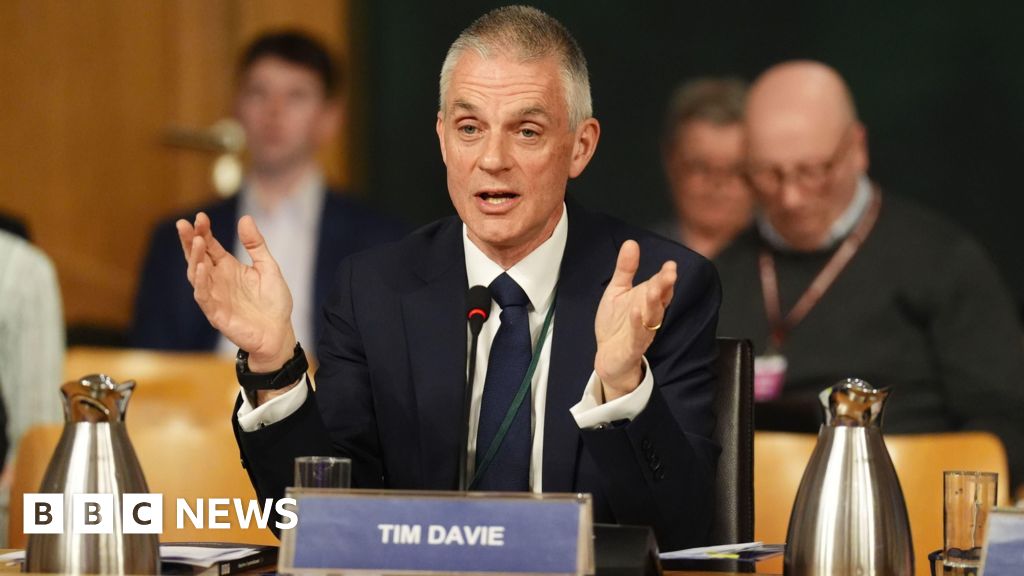

BBC director general Tim Davie and BBC News chief Deborah Turness have resigned after admitting errors linked to a Panorama documentary that was criticised for misleadingly editing parts of Donald Trump’s January 6, 2021, speech so it appeared to urge the Capitol attack.
The one-hour Panorama film, Trump: A Second Chance?, aired on 28 October 2024, days before the US election. A leaked memo from Michael Prescott, a former external adviser to the BBC’s editorial standards committee, said the programme stitched together sections of Trump’s speech that were more than 50 minutes apart. In that edit Trump appears to say, “We’re going to walk down to the Capitol… and I’ll be there with you. And we fight. We fight like hell,” which Prescott said created the impression of a direct call to violent action. Prescott told colleagues he raised concerns and left his role in June, saying he acted “in despair at inaction by the BBC Executive.”
BBC chair Samir Shah wrote to parliamentarians accepting that the way the speech was edited did give the impression of a direct call for violent action and apologised for the editorial error. He said the episode prompted wider reflection across the corporation; more than 500 complaints were received after the memo became public. President Trump responded by saying senior BBC figures were quitting after being caught doctoring his speech and his lawyers sent the BBC a letter demanding a full retraction, an apology and compensation. The letter set a 14 November 2025 deadline and warned that failure to comply could lead to legal action seeking at least $1bn in damages. The BBC said it would respond in due course.
Who they are
– Tim Davie became director general in September 2020 and was paid between £540,000 and £544,999. As DG he had ultimate editorial and operational responsibility for the BBC’s services.
– Deborah Turness was CEO of BBC News and Current Affairs from 2022, with pay between £430,000 and £434,999. She oversaw around 6,000 staff and global news output in more than 40 languages.
Broader issues flagged in the Prescott memo
The leaked memo raised concerns beyond the Panorama film:
– BBC Arabic: Prescott alleged systemic problems in coverage of the Israel–Gaza war. Shah said action has been taken, including a restructuring of the BBC Arabic team, appointing a new Arabic‑speaking head of editorial quality and standards in the World Service, and creating a social media research unit to verify contributors.
– Coverage of trans issues: Prescott claimed specialist LGBTQ reporters sometimes declined to cover stories that raised difficult questions about the trans debate, effectively censoring coverage. Separately, the BBC upheld impartiality complaints earlier in the year over presenter Martine Croxall altering a BBC News Channel script from “pregnant people” to “women,” finding her facial expression suggested a personal view.
Resignations and reactions from the executives
Davie said the debate around BBC News had influenced his decision and accepted ultimate responsibility for mistakes, without singling out the Panorama programme in his resignation. He suggested the timing of his departure would allow a successor to help shape the next Royal Charter review, due before 2027. Turness said the controversy had become damaging to the corporation, that “the buck stops with me,” and offered her resignation. She defended BBC News against claims of institutional bias while acknowledging errors had been made.
Editorial controversies during Davie’s tenure
Davie’s five years in charge included several high-profile editorial crises: an Ofcom ruling that the BBC committed a serious breach by failing to disclose a documentary narrator’s family link to a Hamas official; coverage of a Glastonbury performance by Bob Vylan that broke editorial guidelines after an incendiary chant; prominent departures and dismissals such as Gregg Wallace and John Torode following inquiries; Match of the Day presenter Gary Lineker leaving after sharing a contentious social media post; and an investigation into alleged drug use by Strictly Come Dancing stars that led to professional dancers leaving.
Political and sector response
Responses were mixed. Sir Keir Starmer’s spokesman said the prime minister does not believe the BBC is “institutionally biased,” and Number 10 rejected claims the corporation is corrupt. Dame Caroline Dinenage, chair of the Culture, Media and Sport Committee, criticised Davie as slow to react and described the situation as an institutional editorial failure. Former Radio 4 controller Mark Damazer welcomed debate about impartiality but rejected claims of systemic bias. Ex-Telegraph editor Sir Charles Moore argued the BBC reports from a metropolitan left viewpoint.
Selecting a new director general
The director general is appointed by the BBC Board, chaired by Samir Shah and made up of executive and non-executive members. The next DG will be the 18th in the BBC’s 103‑year history. Reported names under consideration included Charlotte Moore, Jay Hunt and James Harding.
Summary
Davie and Turness stepped down amid fallout from a Panorama programme judged to give the impression of misrepresenting Mr Trump’s speech, a leaking of internal criticism and a public apology from the BBC chair. That episode intensified scrutiny of editorial standards across the broadcaster’s coverage, particularly on BBC Arabic and reporting of trans issues, and capped a period marked by repeated editorial controversies under Davie’s leadership.