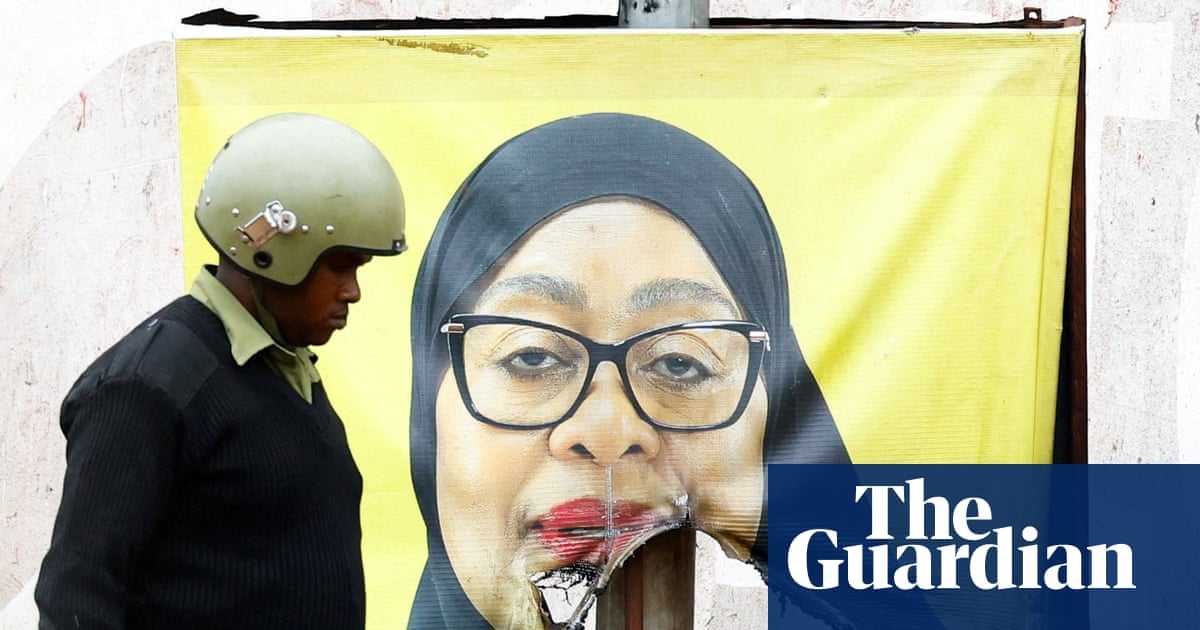

Tanzanian authorities have detained a senior official from the main opposition party Chadema amid a string of arrests linked to violent post-election protests last week.
Chadema and several human rights organizations say security forces killed more than 1,000 people during the demonstrations. The government has rejected those numbers as exaggerated and has not released an official death toll. The party said deputy secretary-general Amani Golugwa was arrested by police on Saturday and that authorities are seeking nine additional suspects, including other party figures.
Authorities have charged more than 200 people with treason over the unrest — a crime that can carry the death penalty, although Tanzania has not carried out executions since 1995. President Samia Suluhu Hassan was declared the election winner with 98% of the vote; the opposition, which had been barred from taking part, denounced the result as fraudulent.
Observers and critics say the election was neither free nor fair, pointing to the exclusion of leading rivals and reports of ballot stuffing. A police spokesperson said security forces, working with other defence agencies, are conducting a ‘serious manhunt’ for those who planned and carried out the disturbances. Chadema’s secretary-general John Mnyika and head of communications Brenda Rupia were named among those wanted.
Chadema leader Tundu Lissu was charged with treason in April and barred from running in the contest, a move that helped ignite the street protests. Amnesty International reported enforced disappearances, arbitrary arrests and extrajudicial killings in the run-up to the vote, and said authorities restricted internet access and used excessive force to break up demonstrations held on 29 October in cities around the country.
Rights groups say the crackdown has targeted people suspected of links to the protests, including businesswoman Jenifer Jovin, who is accused of encouraging protesters to buy gas masks. President Samia acknowledged that people died during the unrest but blamed foreigners for fomenting trouble, saying many of those arrested were from other countries.
Despite the turmoil, Samia was sworn in on Monday during a televised but closed inauguration held on a military parade ground in the capital. She became Tanzania’s first female president in 2021 following the death of President John Magufuli and was initially credited with easing repression; critics now accuse her of reversing that course.