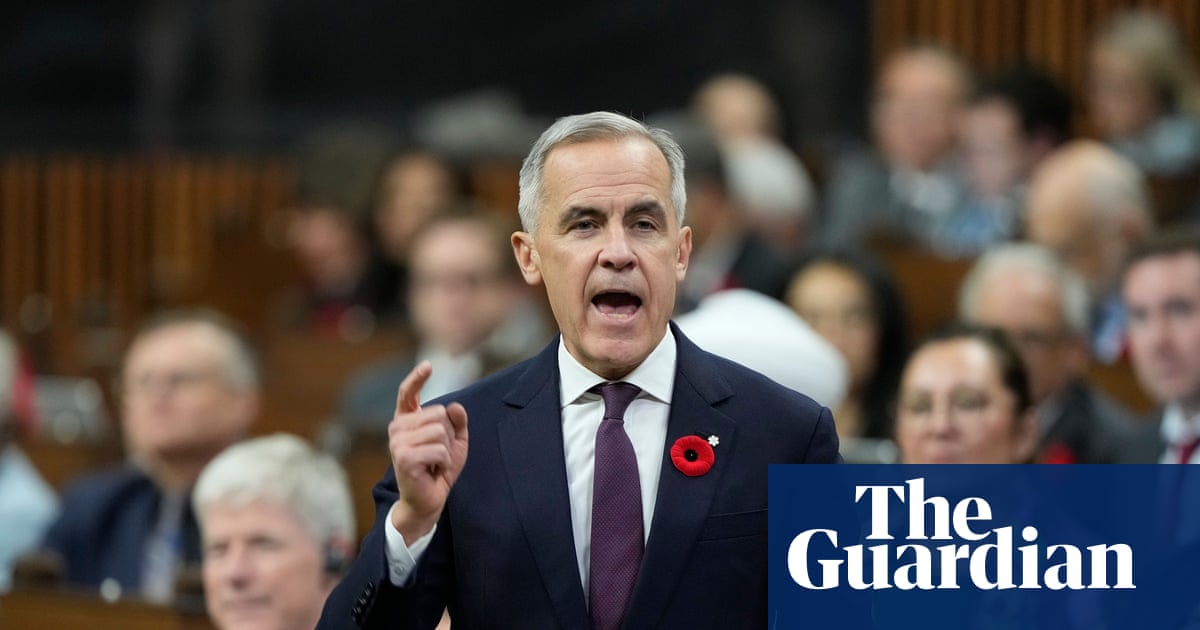

Prime Minister Mark Carney and his minority Liberal government cleared two confidence votes on their budget this week, staving off — at least temporarily — the threat of a federal election this winter.
The Liberals won the second of three planned votes on Friday, moving a wide-ranging fiscal plan closer to a final showdown in mid-November. Conservative MPs joined Liberals on the floor to help advance the budget, underscoring both the instability and the bargaining that define minority government politics.
Finance Minister François-Philippe Champagne unveiled the budget on Tuesday, saying a deeper-than-expected U.S. trade war and a softening Canadian economy required a much larger deficit than previously expected. “The level of uncertainty is higher than what we have seen and felt for generations,” he told MPs, arguing that “bold and swift action is needed.”
The plan promises billions in what the government calls “generational investments” aimed at reshaping the economy. In last December’s fiscal update the deficit for 2025–26 was projected at C$42.2 billion; the new budget raises that figure to C$78.3 billion for 2025–26, with a stated goal of narrowing the deficit to C$56.6 billion by 2029–30.
Carney entered the votes commanding 169 seats — three fewer than required to pass a budget without outside support. Government House Leader Steven MacKinnon cautioned that the Liberals lacked the numbers and warned Canadians an election around Christmas remained possible.
A turning point came when Nova Scotia Conservative MP Chris d’Entremont crossed the floor on Tuesday to join the Liberals, citing discomfort with Pierre Poilievre’s leadership and signaling unease among some Tory colleagues. His defection strengthened Carney’s position, but the government still needed backing from additional opposition MPs to secure the budget’s passage.
Tensions in the Conservative caucus surfaced again when long-serving Edmonton MP Matt Jeneroux unexpectedly resigned, saying he wanted to “spend more time with his family.” He later rejected suggestions he’d been pushed out after reports he met privately with Carney. Government whip Mark Gerretsen said the developments pointed to a drift among more progressive Conservatives away from Poilievre.
Rumours of discontent within the Tory ranks persist, and Liberals are reportedly courting dissatisfied Conservative MPs. Carney, a former central banker who campaigned as a pragmatic technocrat, has signalled a willingness to engage in political deal-making, saying he would “speak to anyone publicly or otherwise” who might support his agenda.
Observers say that shift in tone has made Carney more attractive to moderates. “Carney is not a lifelong politician and that was part of his appeal to voters in the spring election,” said Lori Turnbull, director of Dalhousie University’s school of public administration. She added that his emphasis on economic and fiscal competence has resonated with some Conservatives.
For now the budget has cleared an important hurdle. But with a decisive vote still due in mid-November and the government reliant on fragile cross-party support, the possibility of an early election has not been entirely eliminated.